Skip to content
Premium white vitreous china wash basin and wall-hung water closet in a modern bathroom

Collection 02

Sanitaryware

Water closets, wash basins, cisterns, shower panels and the allied bathroom pieces that finish the room — in vitreous china engineered for hard Indian water.

Sanitaryware products

Showing 2 of 2 products

Buying guide

How to choose sanitaryware

Sanitaryware is bought once and lived with for fifteen years. Measure before you shop — the three numbers below decide what will actually fit.

  1. 1. Identify your trap type before anything else

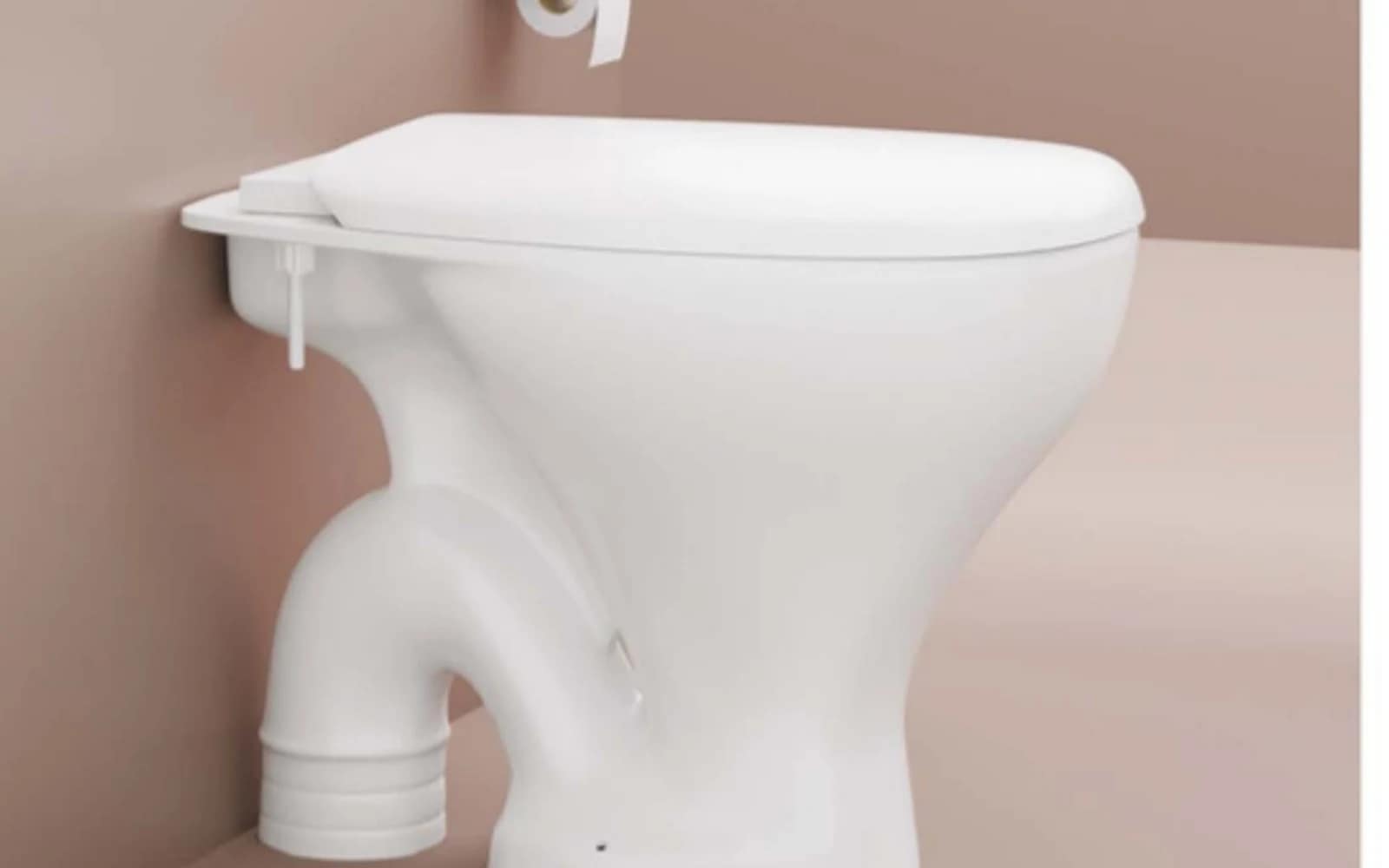
    An S-trap discharges downward into the floor; a P-trap discharges horizontally into the wall. This is fixed by your existing plumbing and cannot be changed without breaking the floor. Check which outlet your bathroom has before you look at a single design — a beautiful WC with the wrong trap is unfittable.

  2. 2. Measure the rough-in distance

    For an S-trap, measure from the finished wall to the centre of the floor drain. Indian bathrooms are commonly 225 mm or 300 mm; European imports often assume 305 mm. For a P-trap, measure from the finished floor to the centre of the wall outlet — typically 180 mm. Bring this measurement to the showroom and the selection narrows instantly.

  3. 3. Pick the WC style for your space and budget

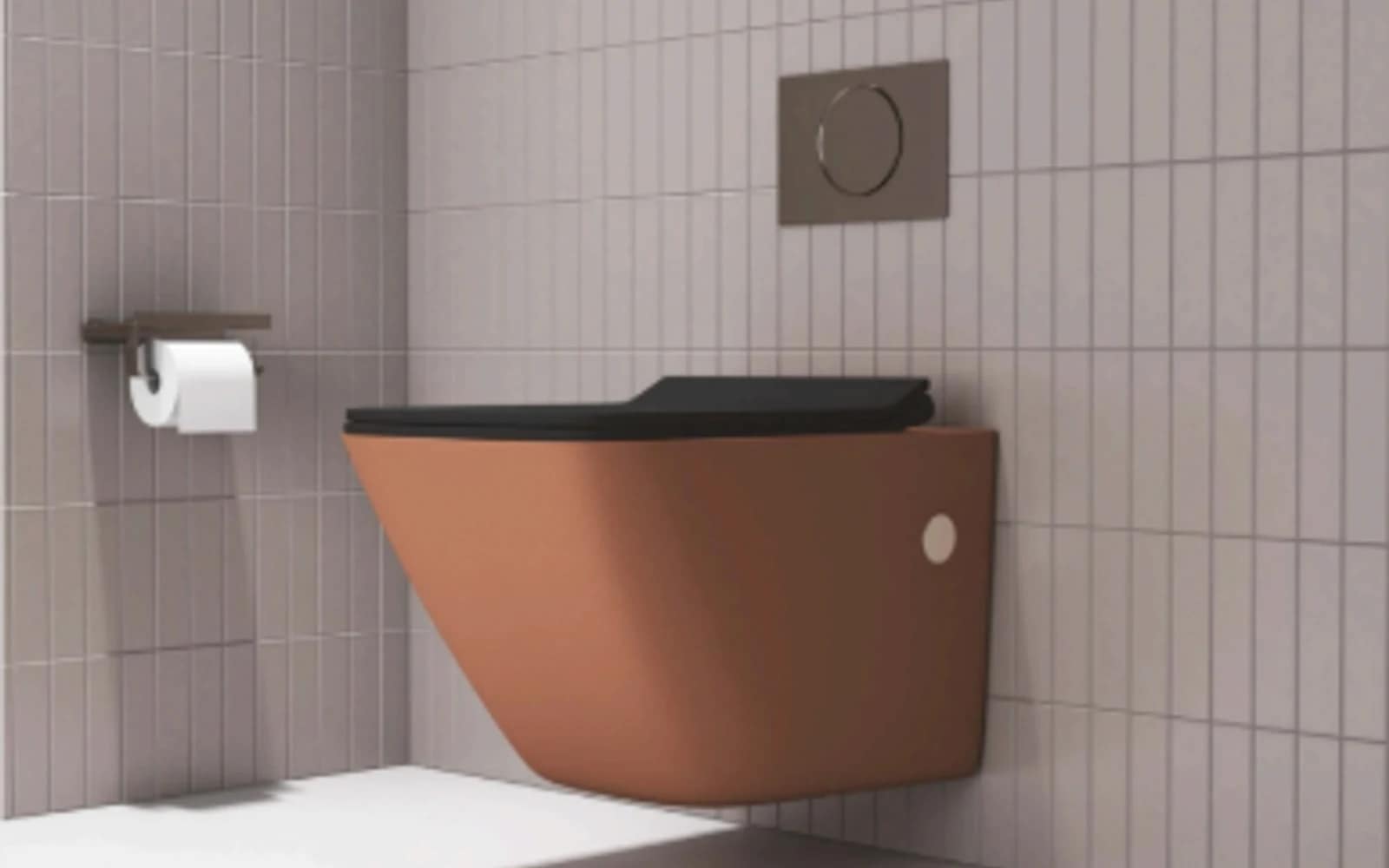
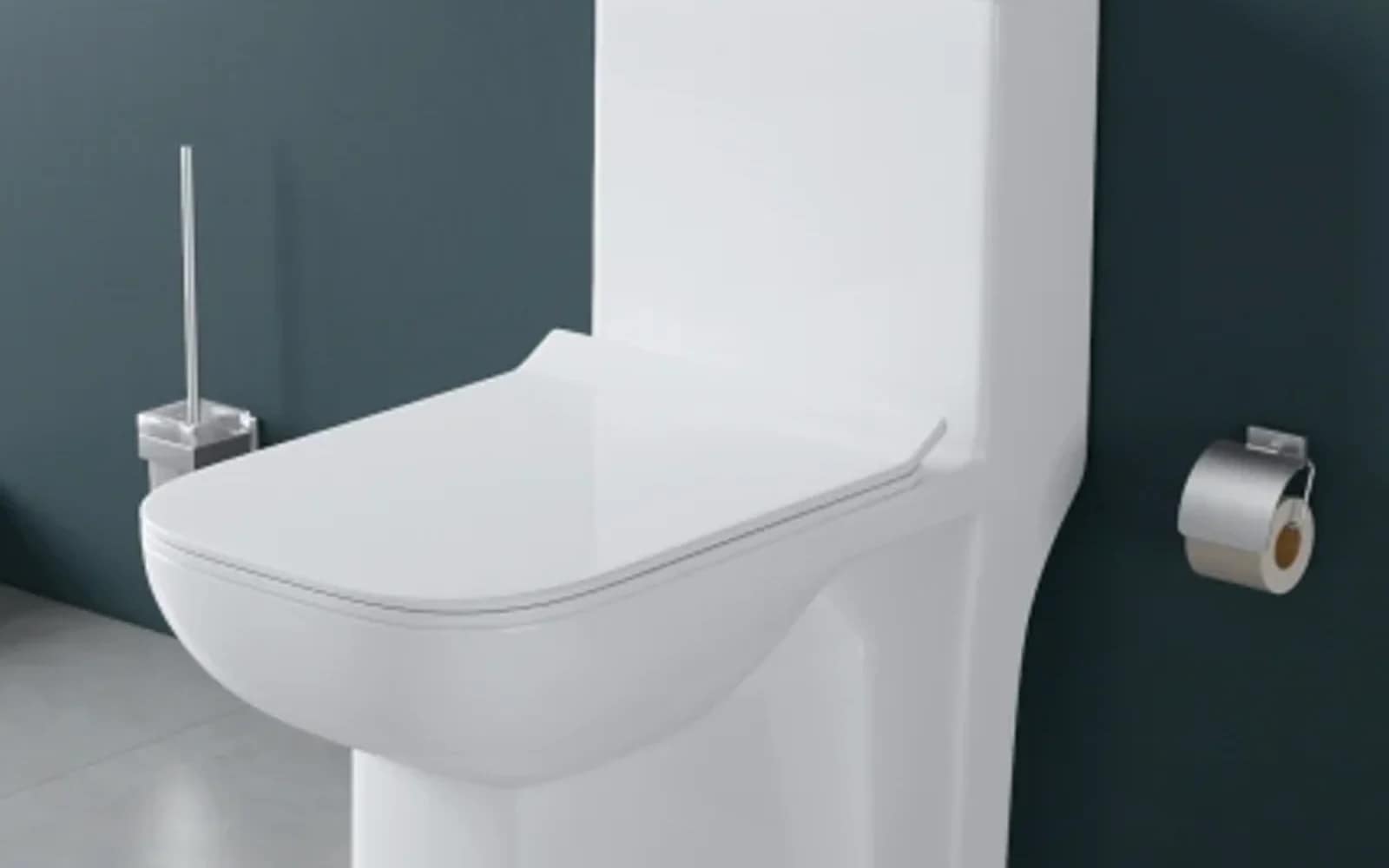
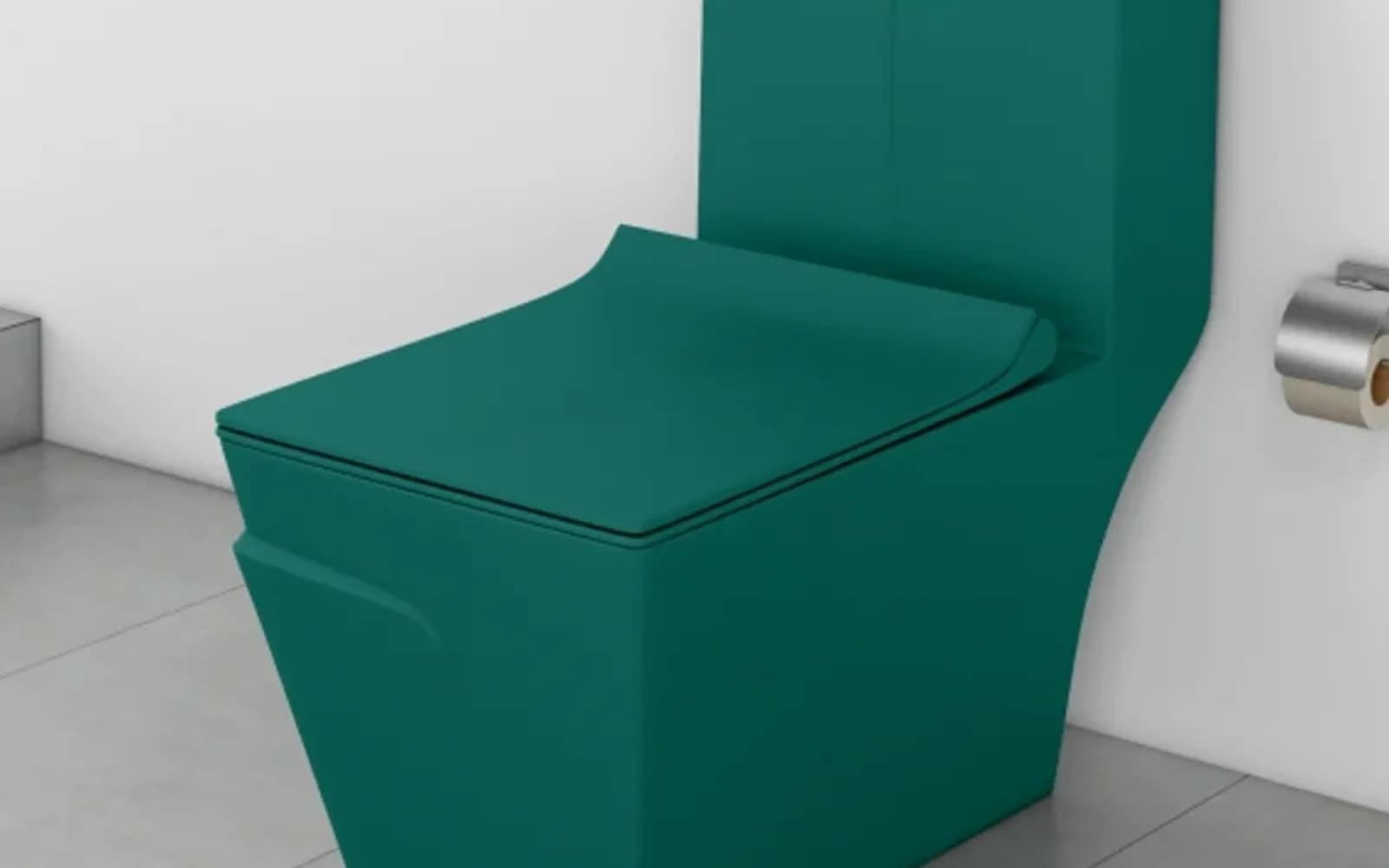
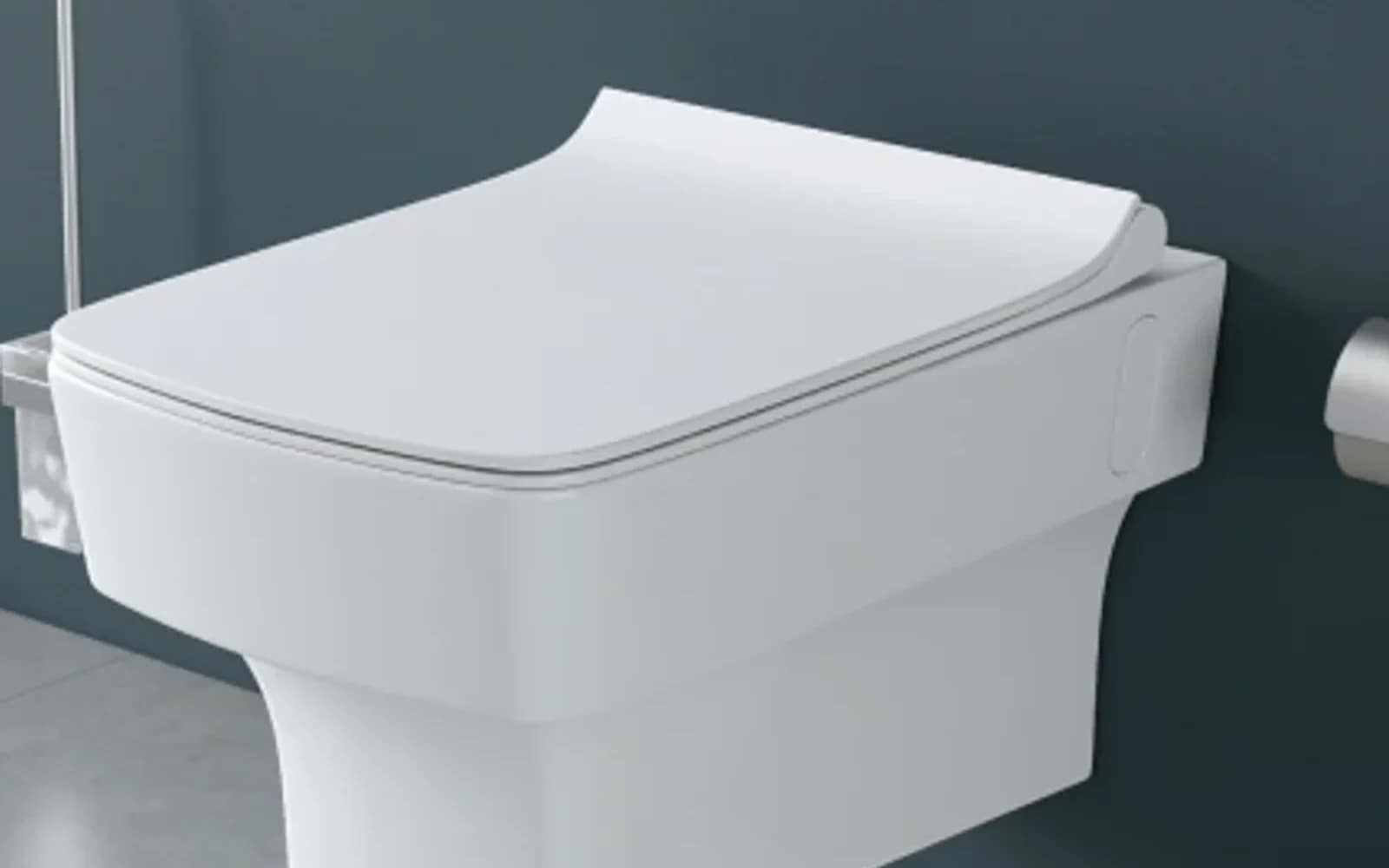
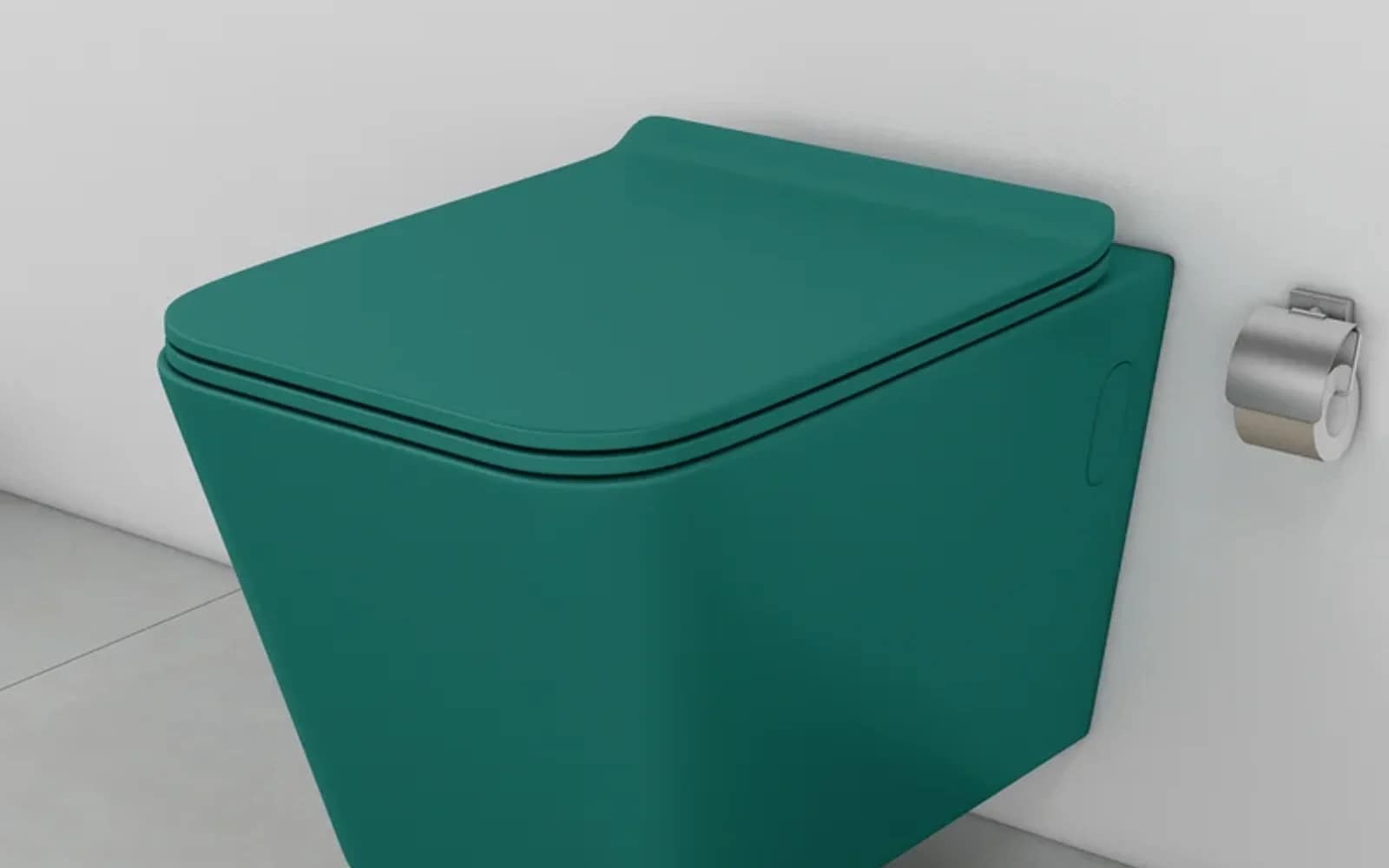
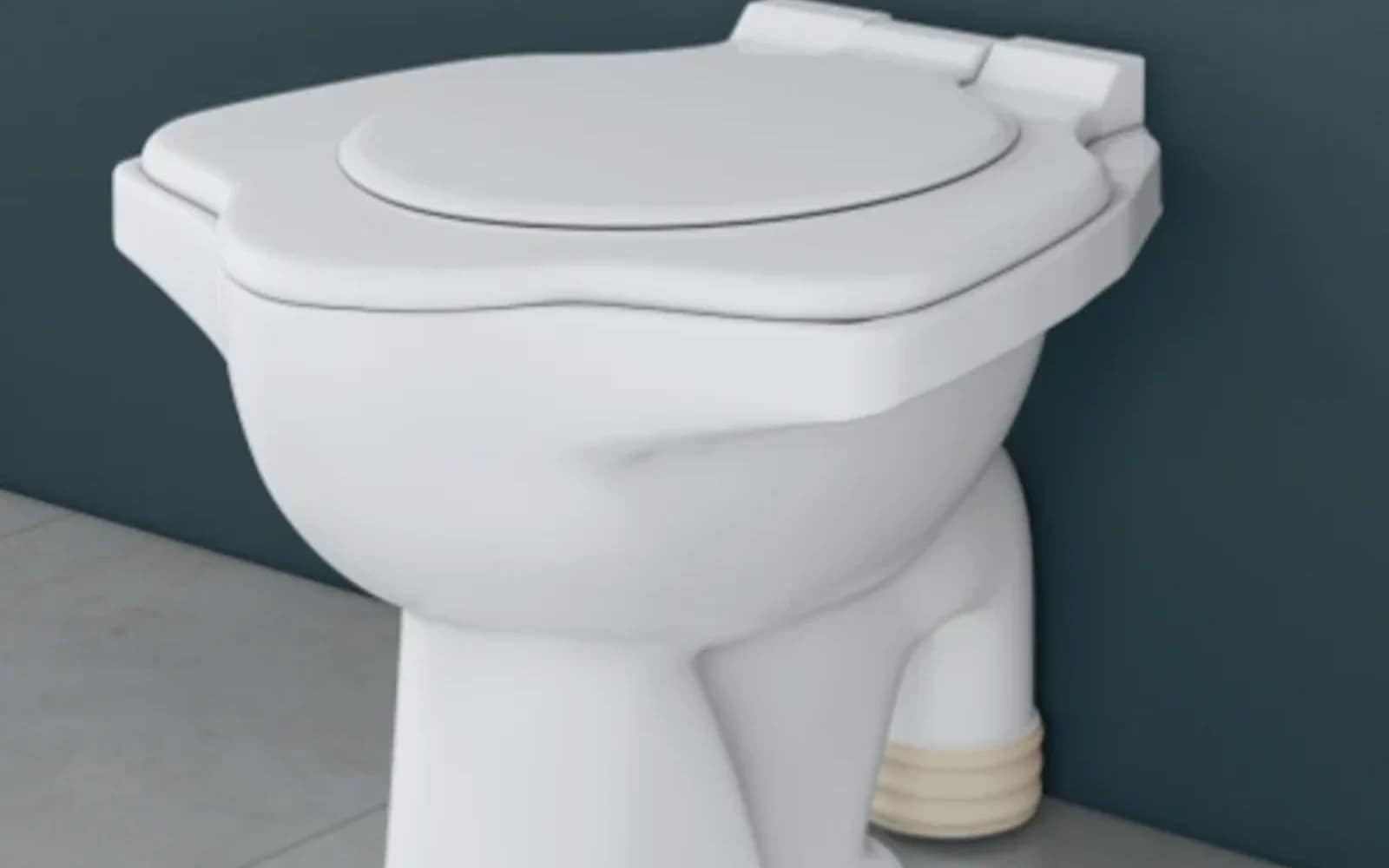
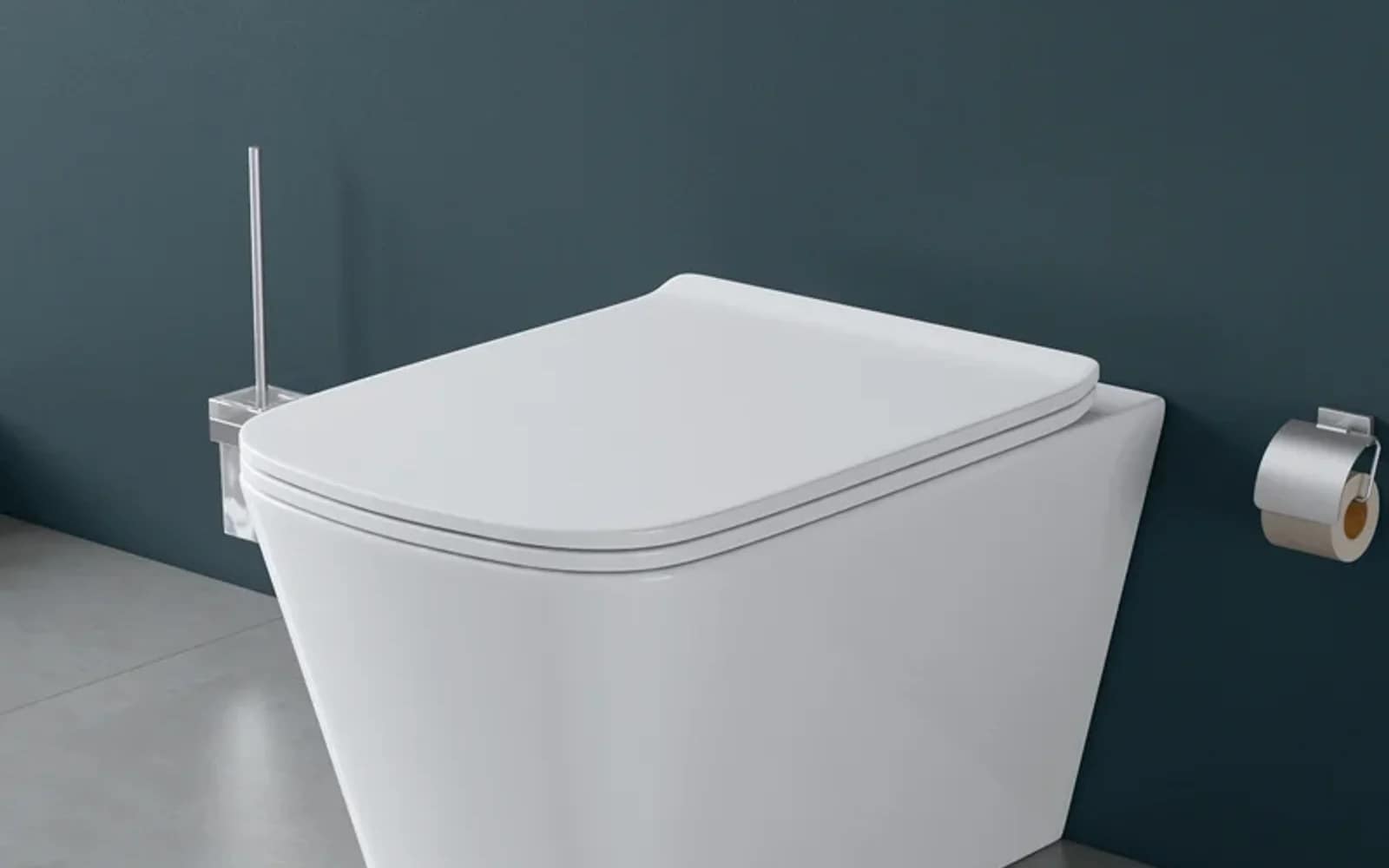
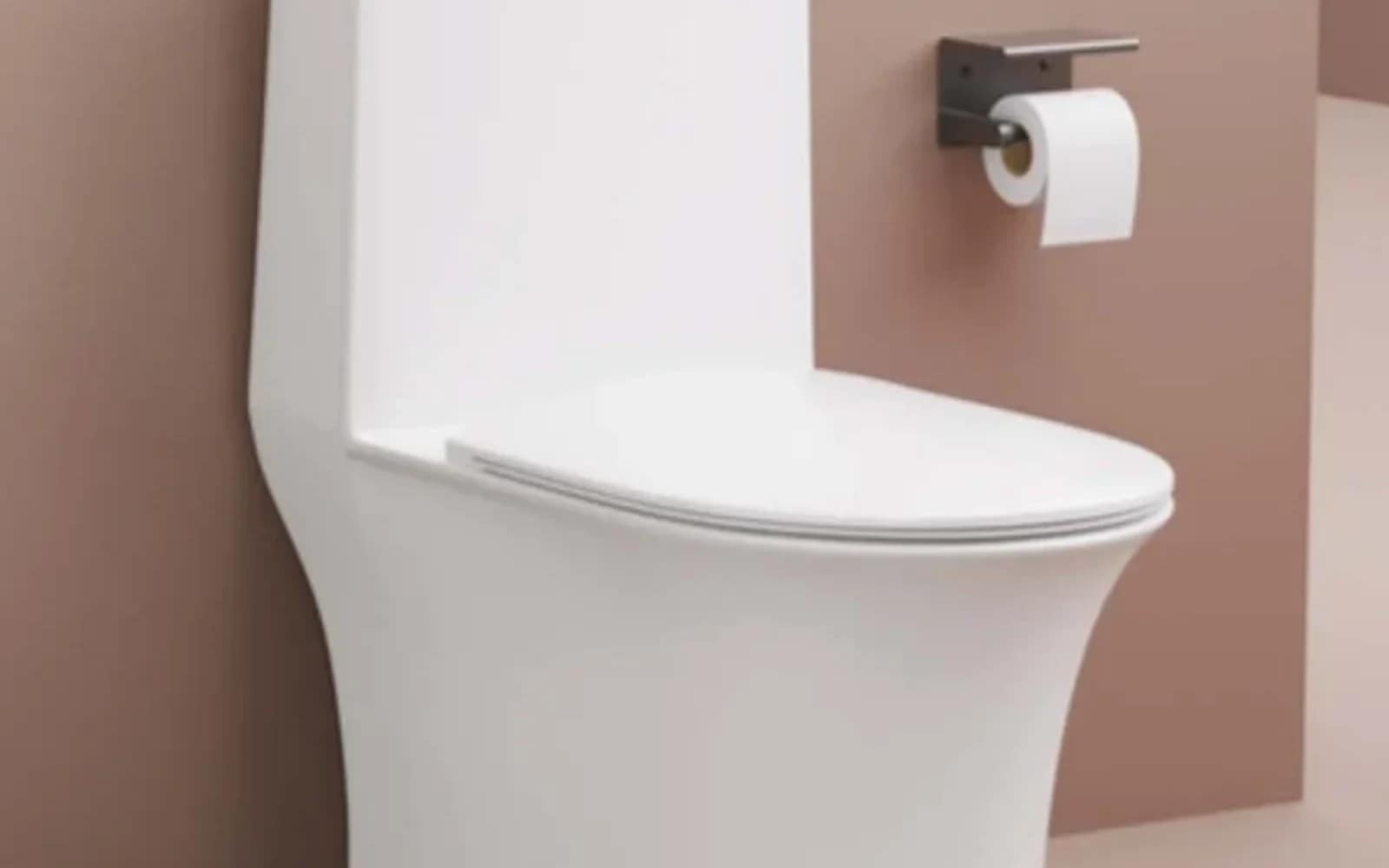
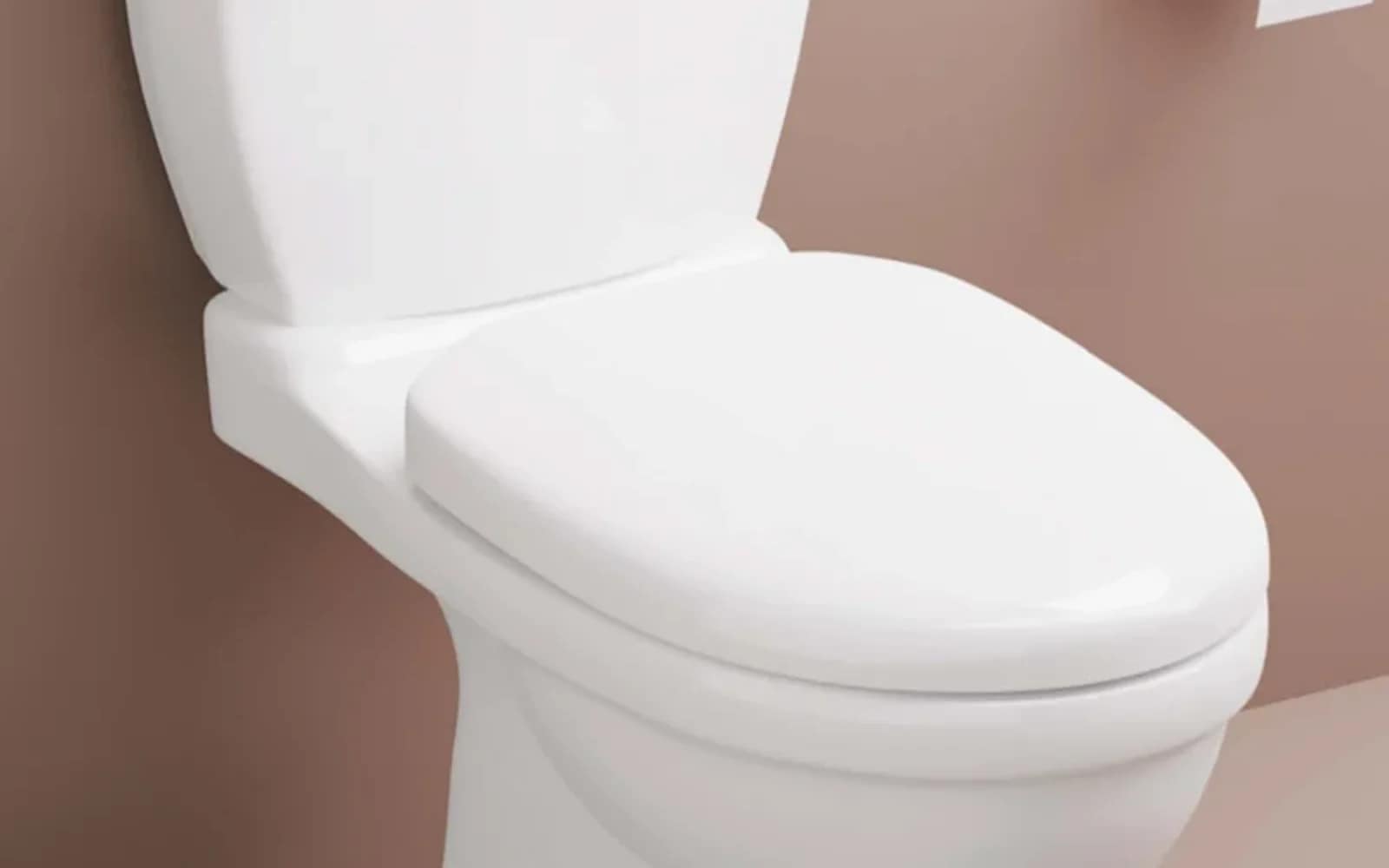
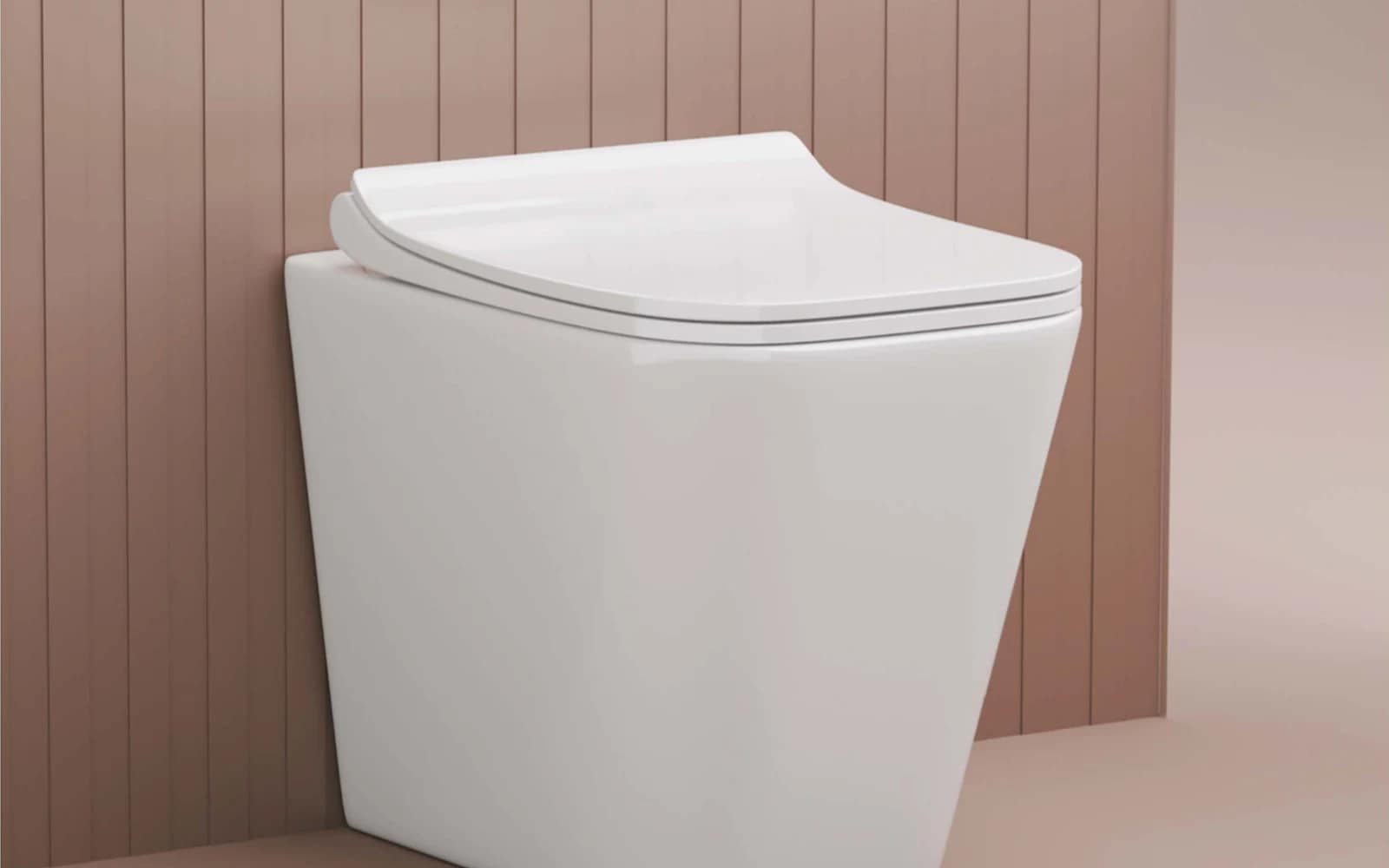
    Floor-mounted two-piece units are the most economical and the easiest to service. One-piece units have no seam between bowl and cistern, so they are far easier to keep clean and look considerably more premium. Wall-hung units mount on a concealed frame with the cistern inside the wall — they free up floor space and make mopping effortless, but need the frame installed before tiling.

  4. 4. Match the basin to how the bathroom is used

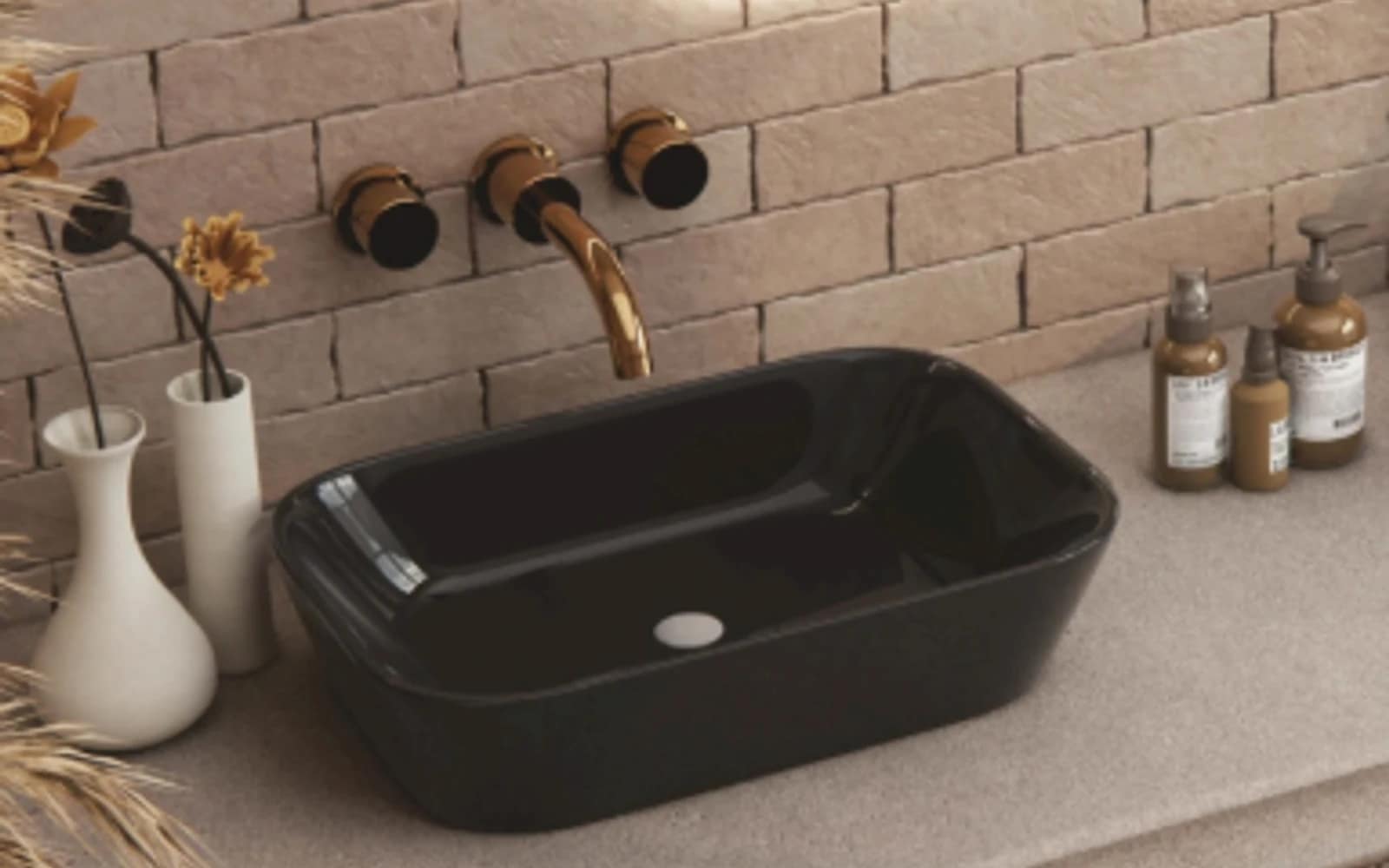
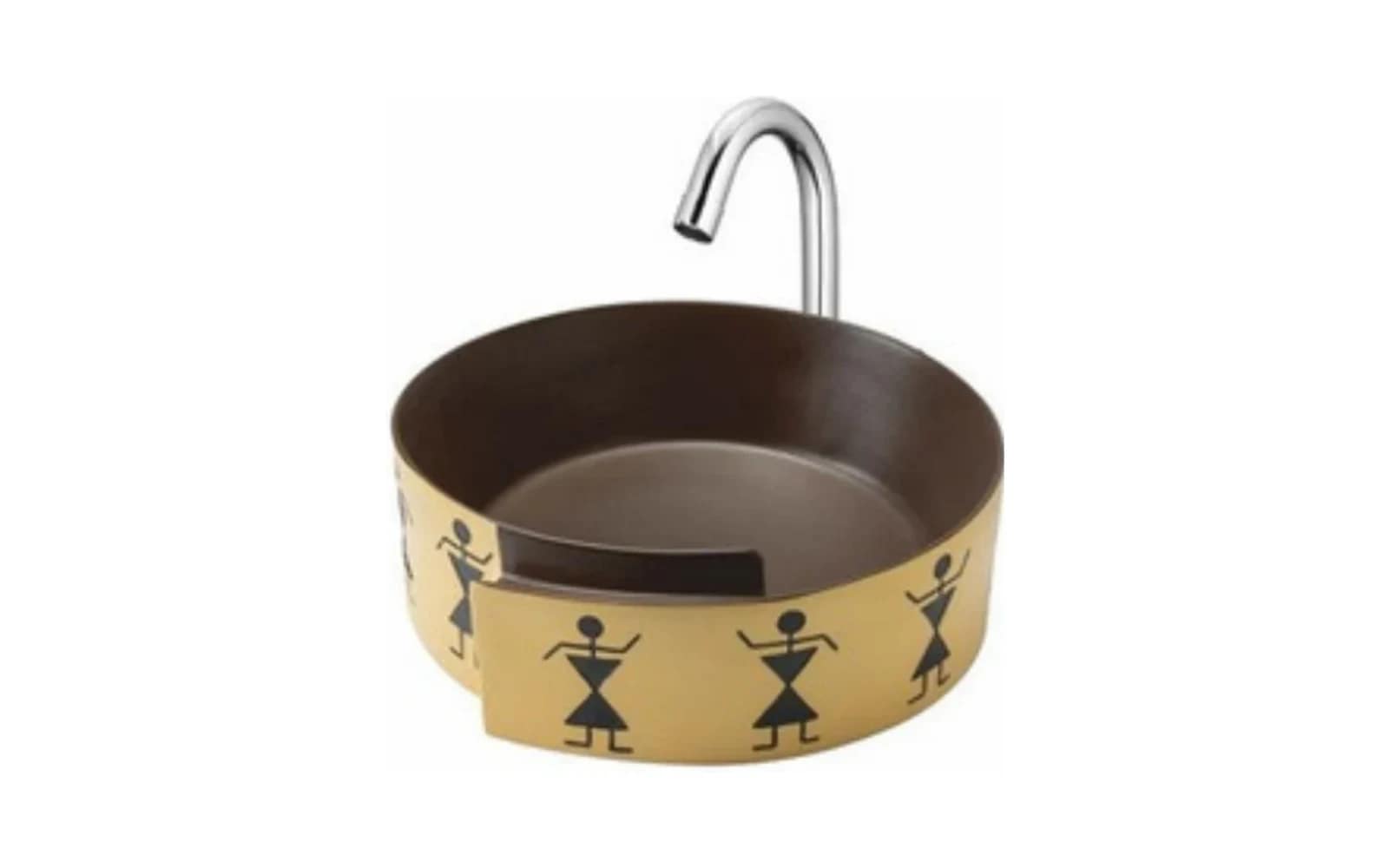
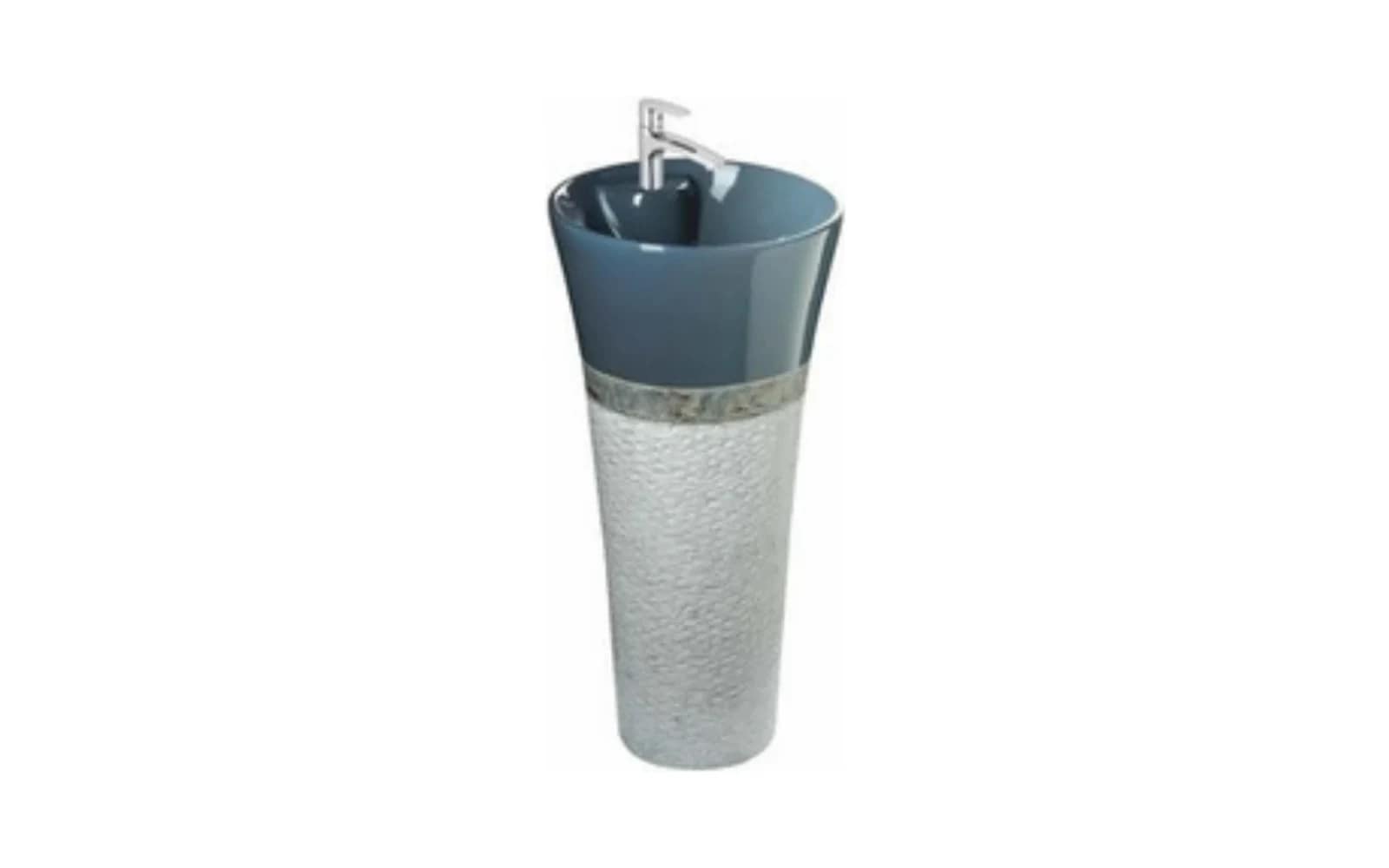
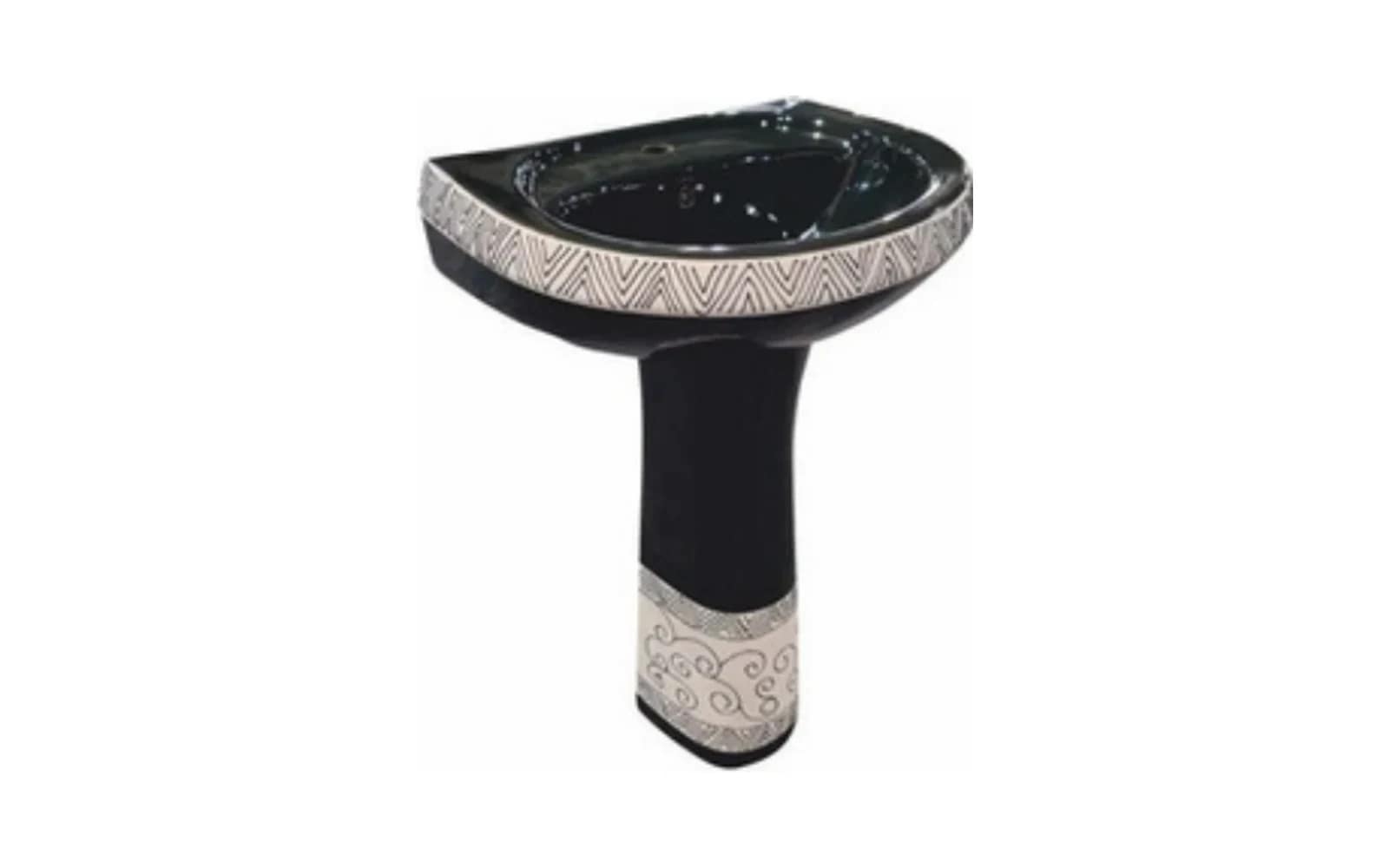
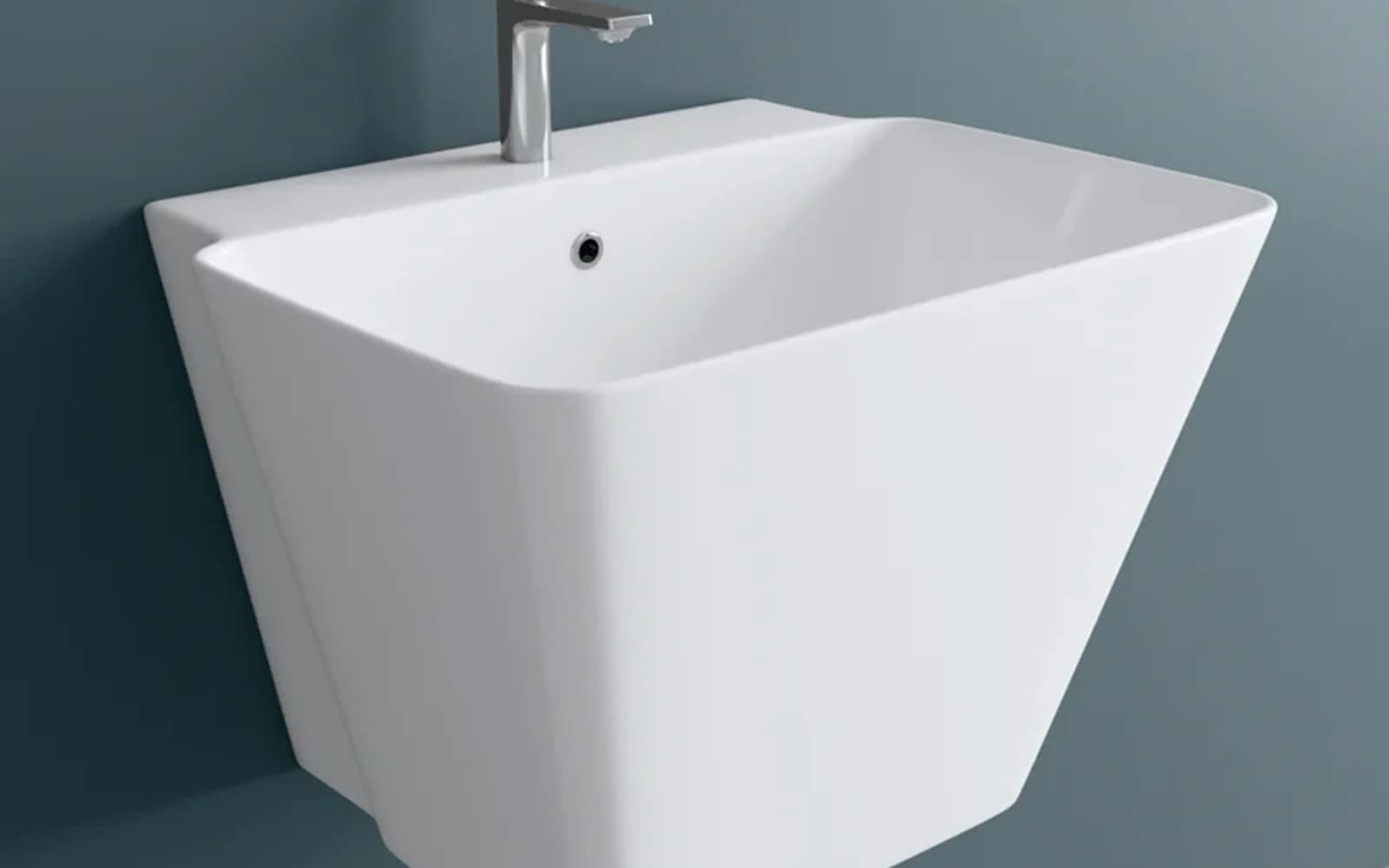
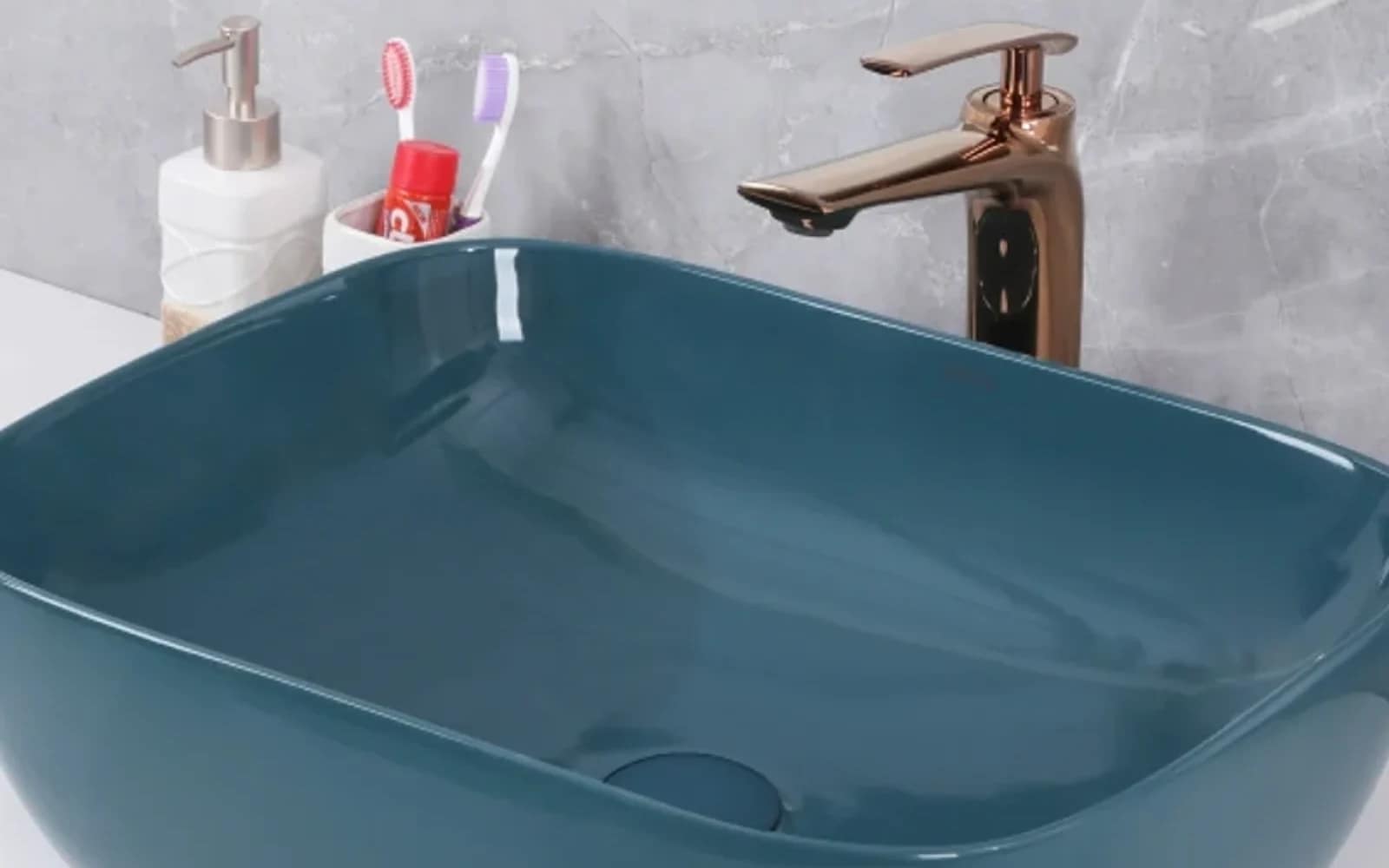
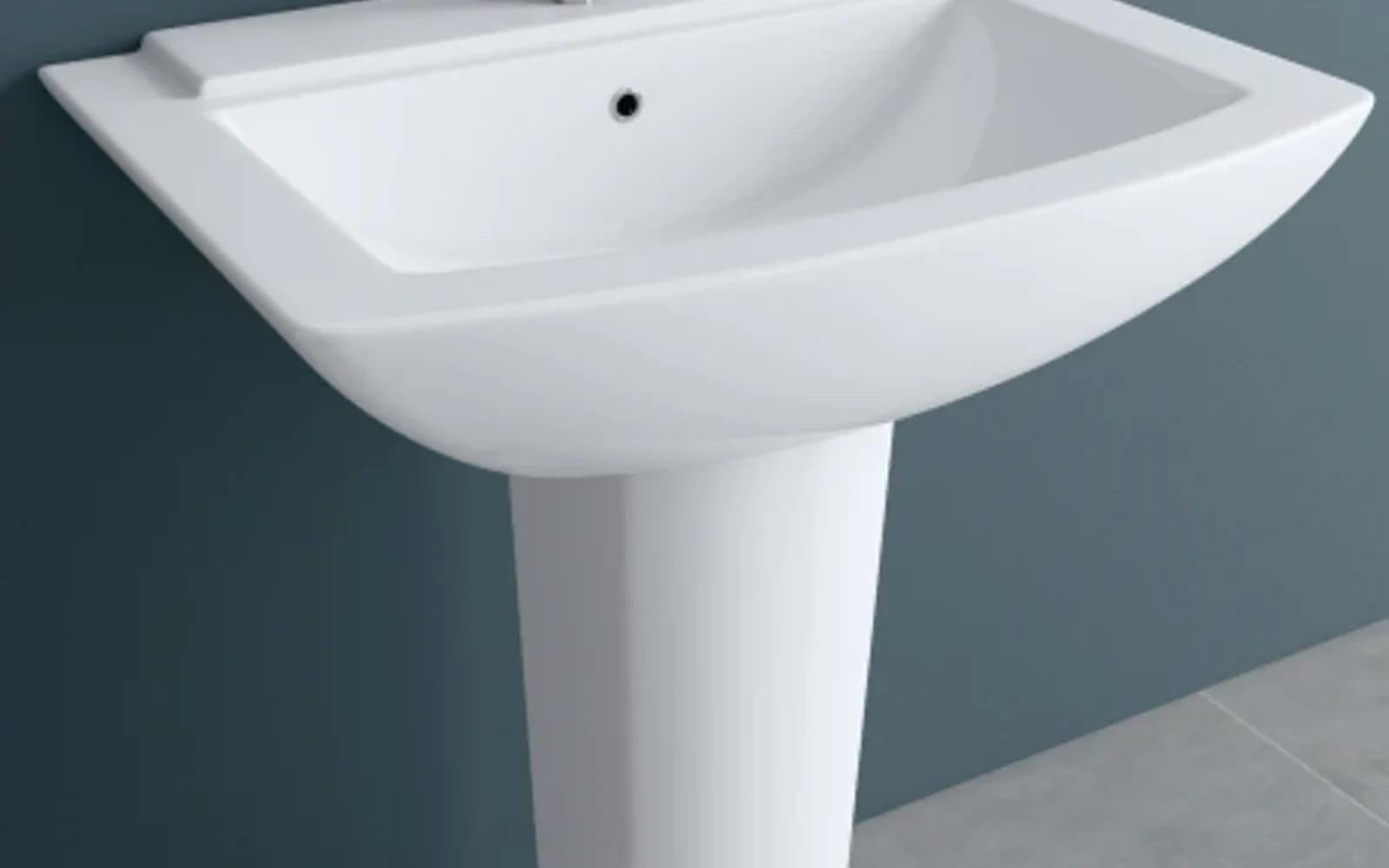
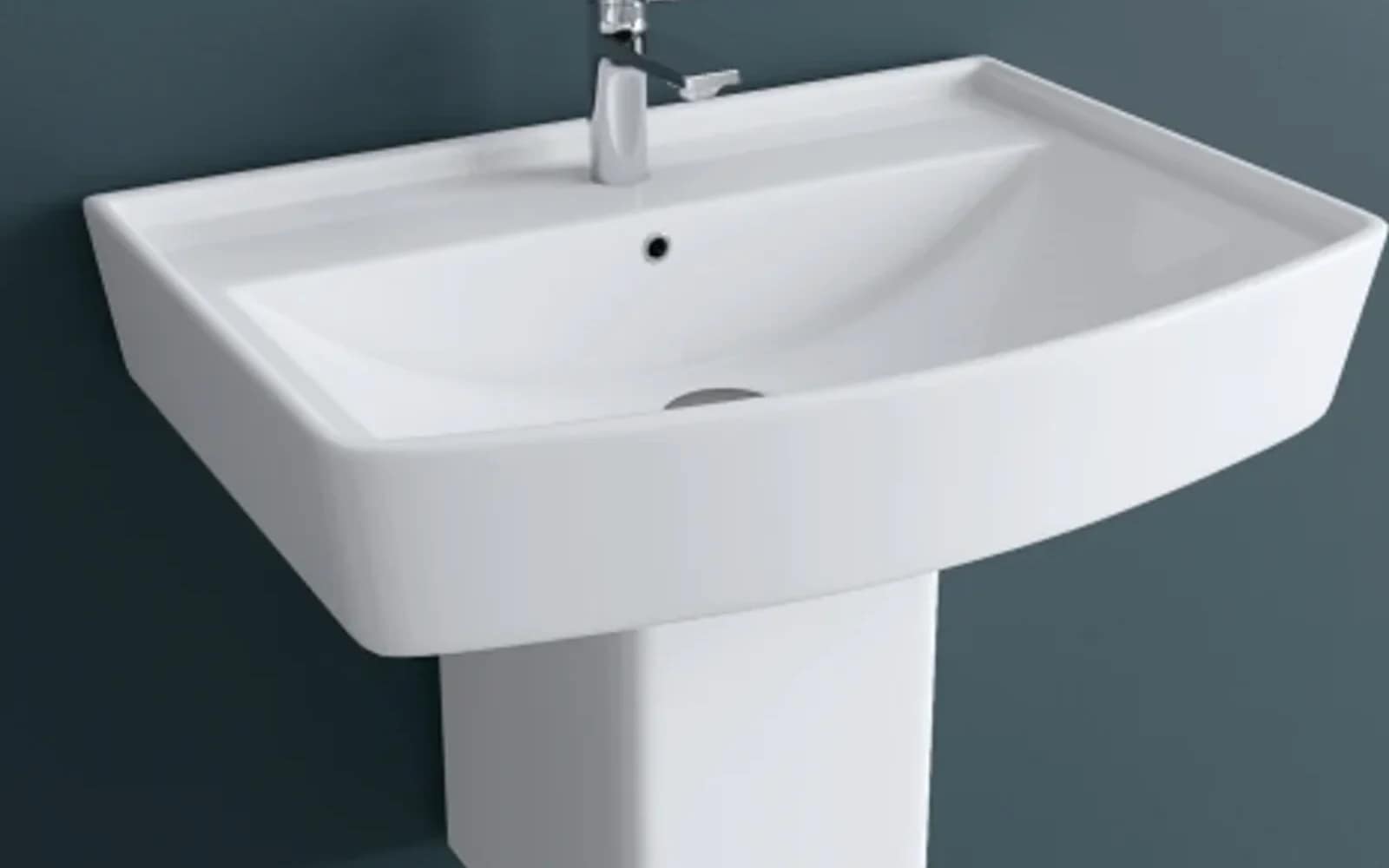
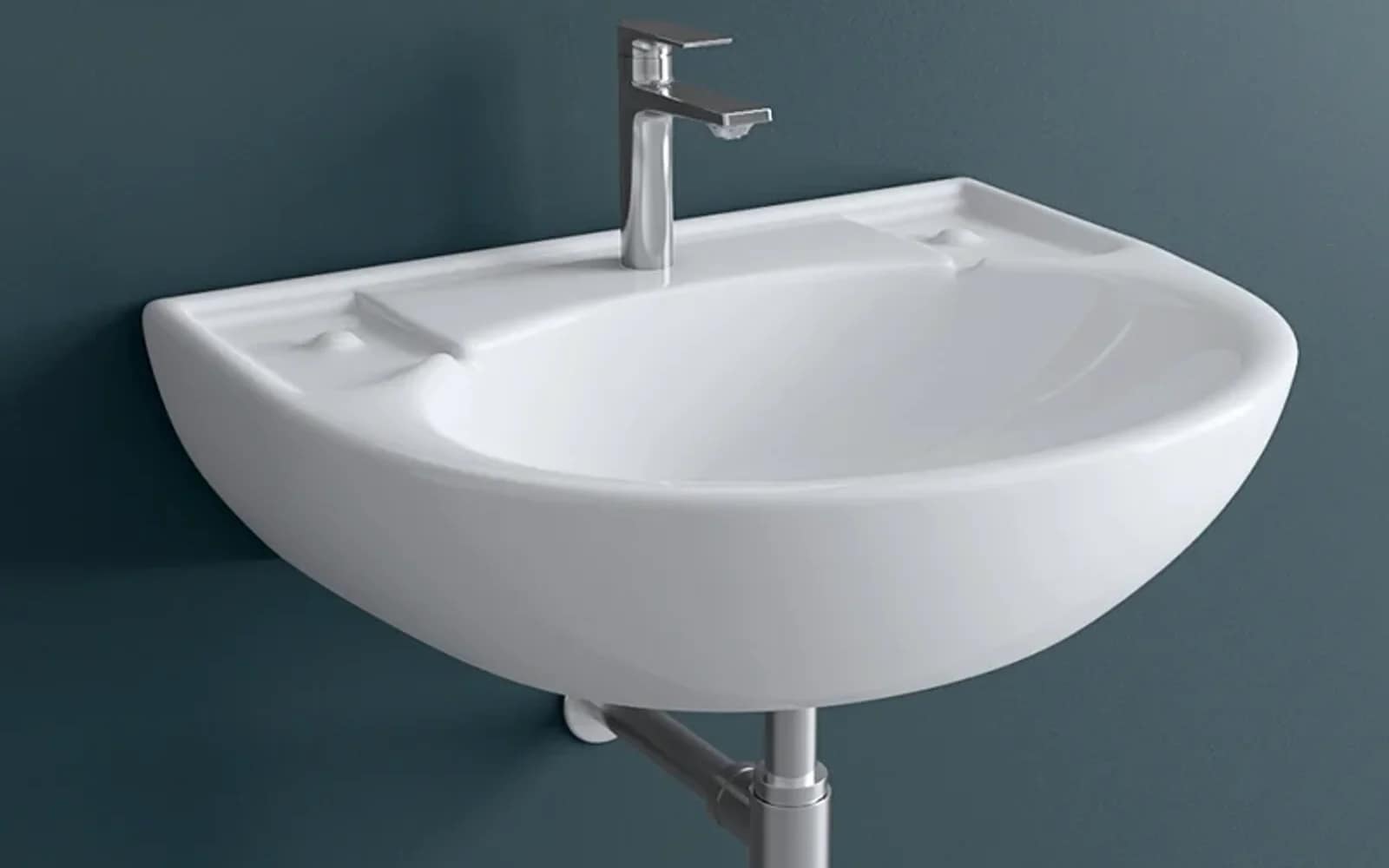
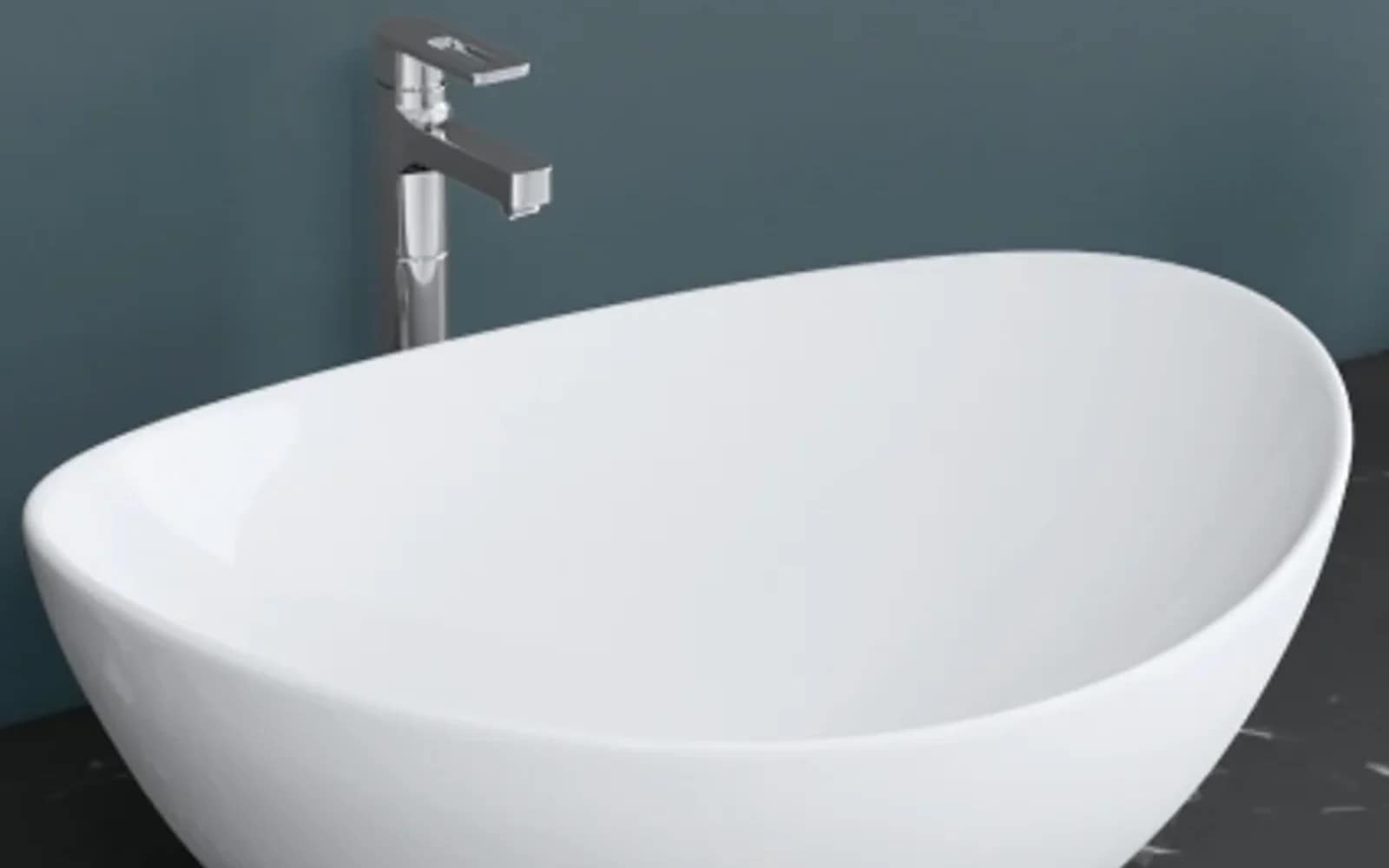
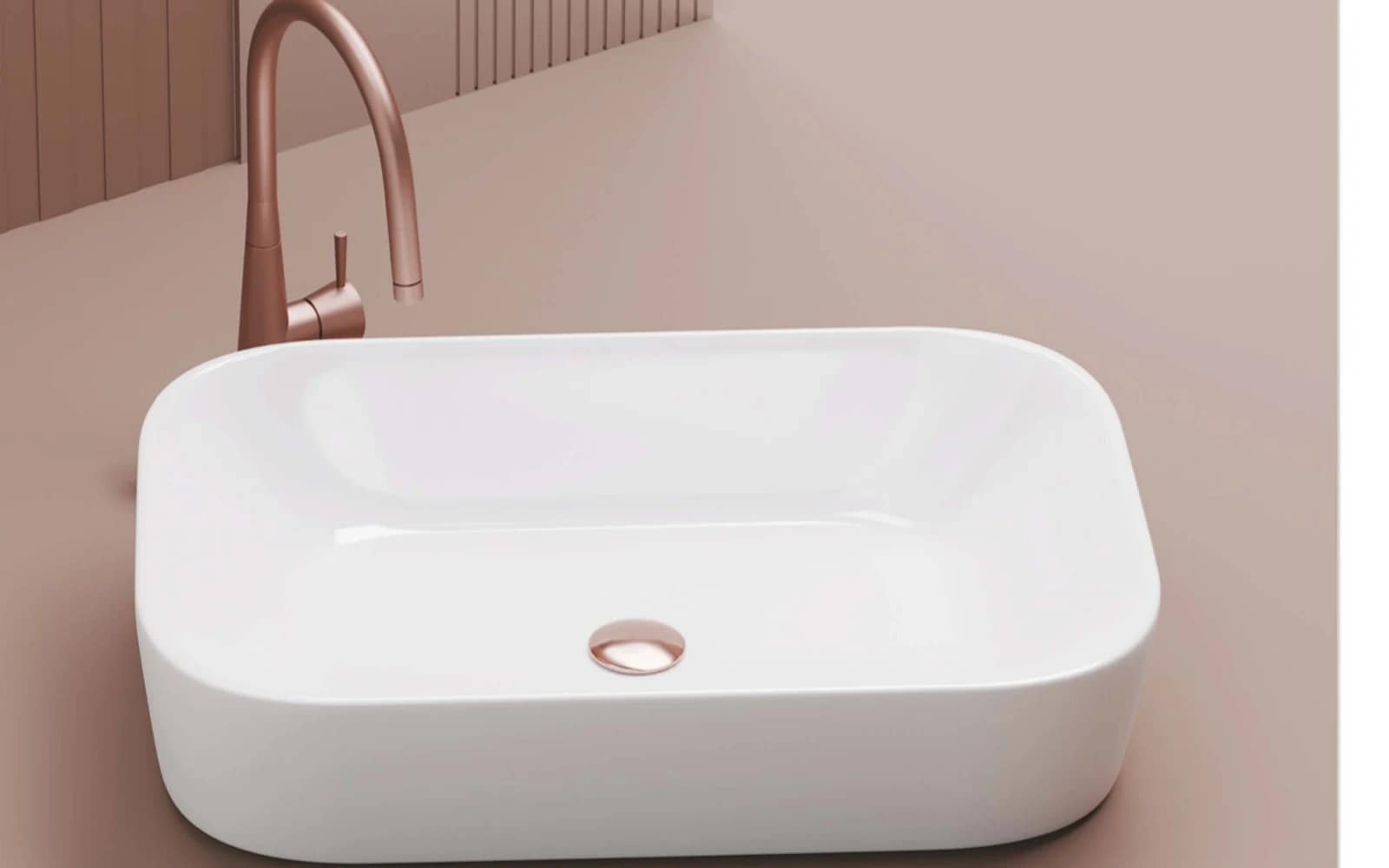
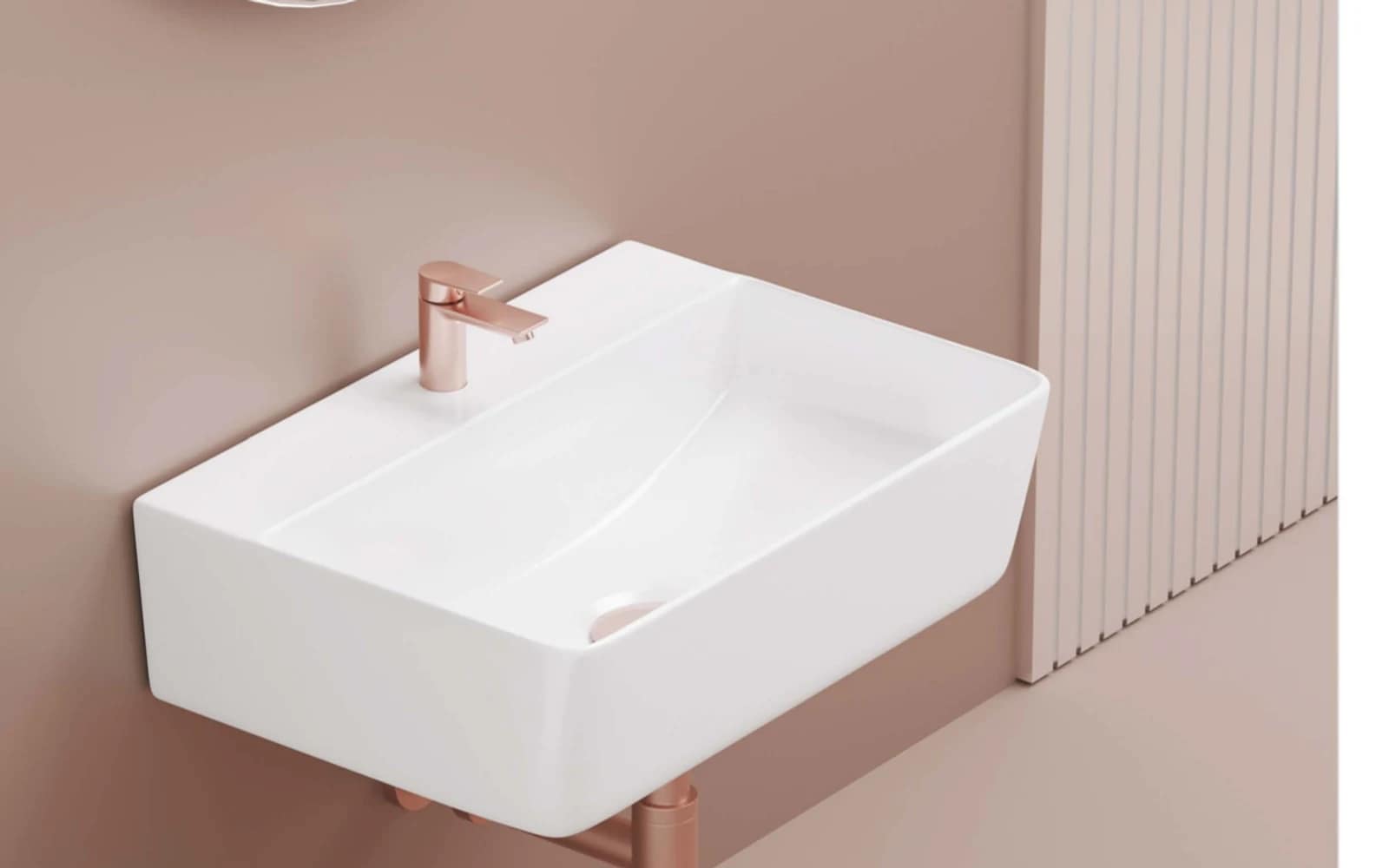
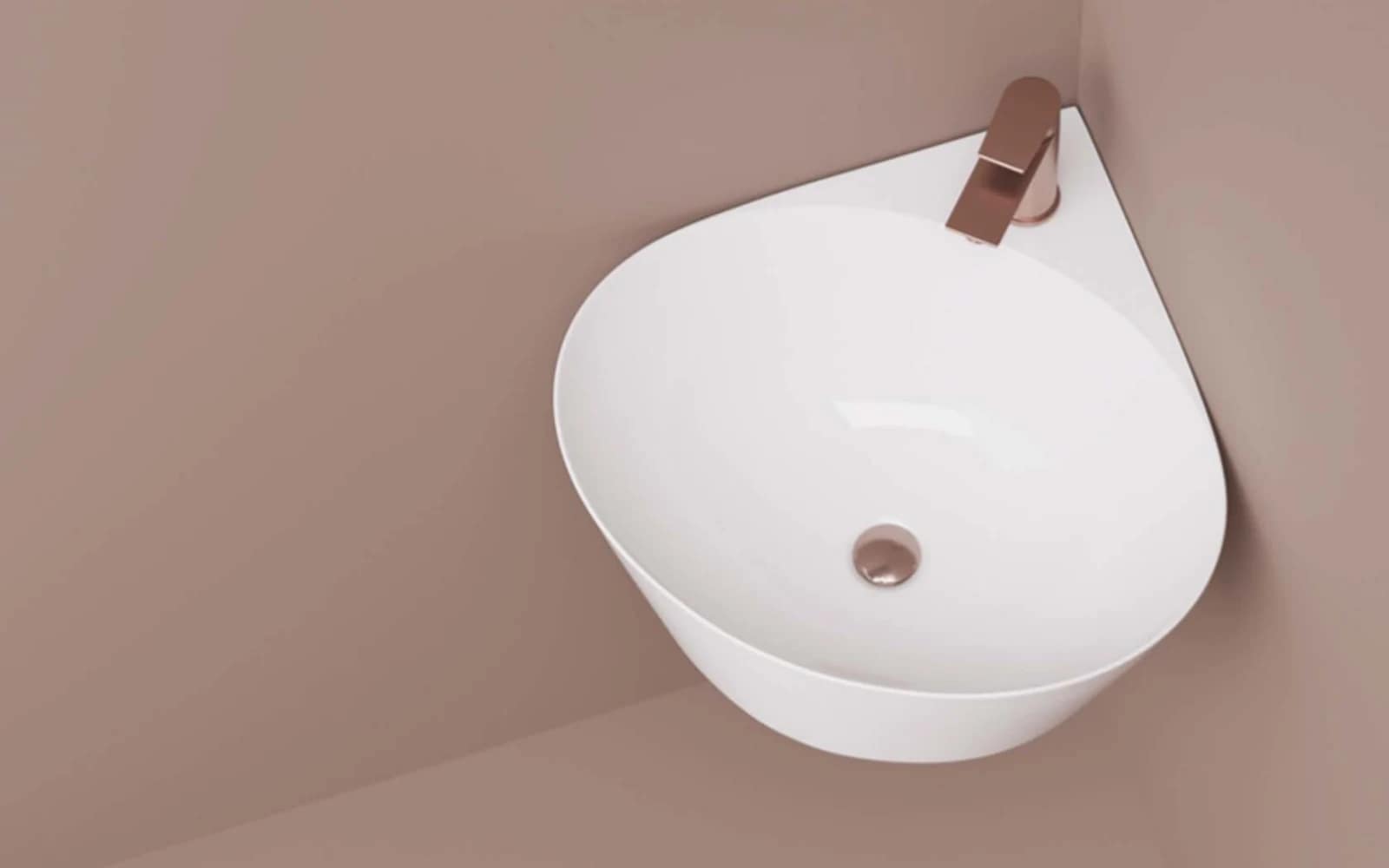
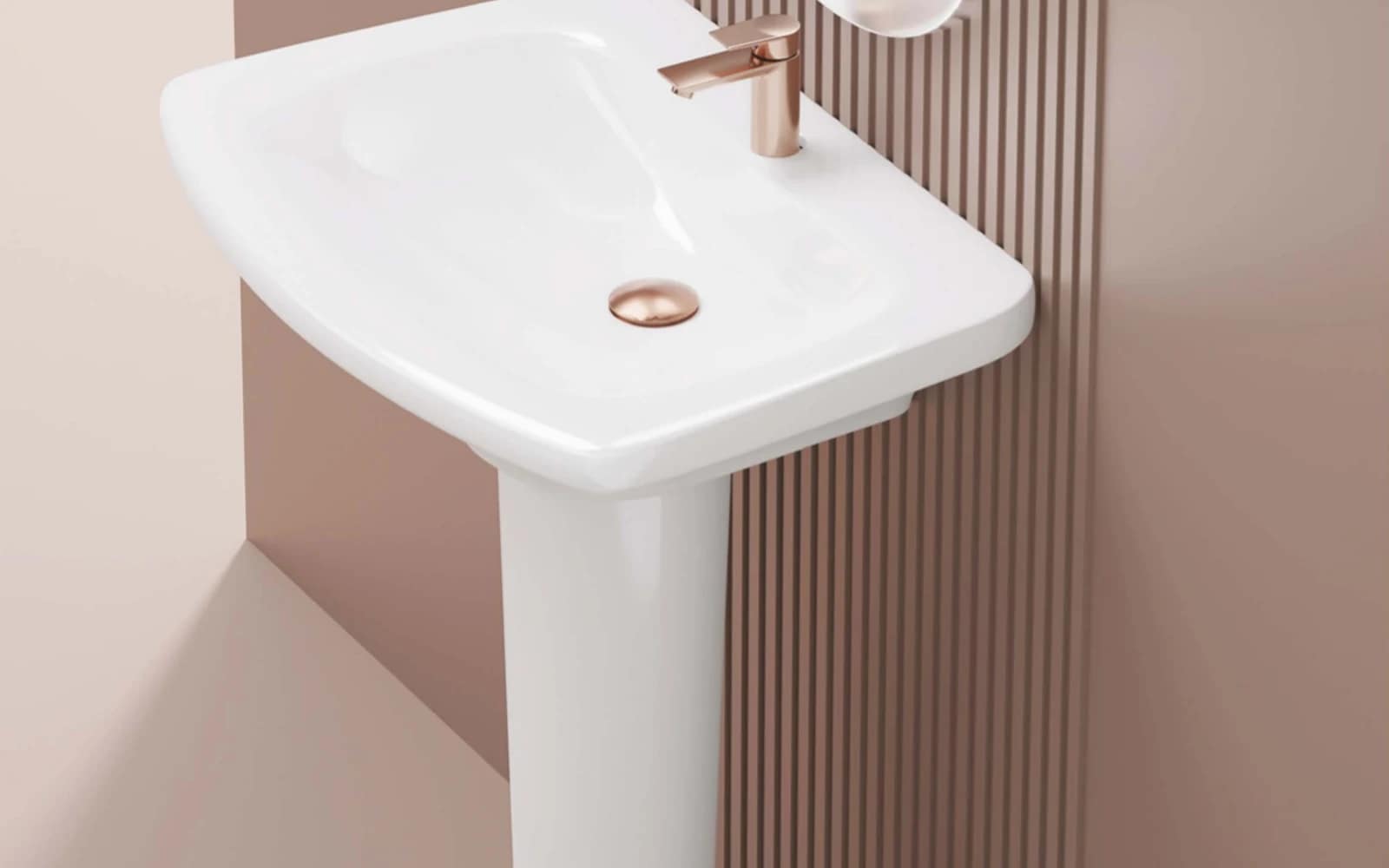
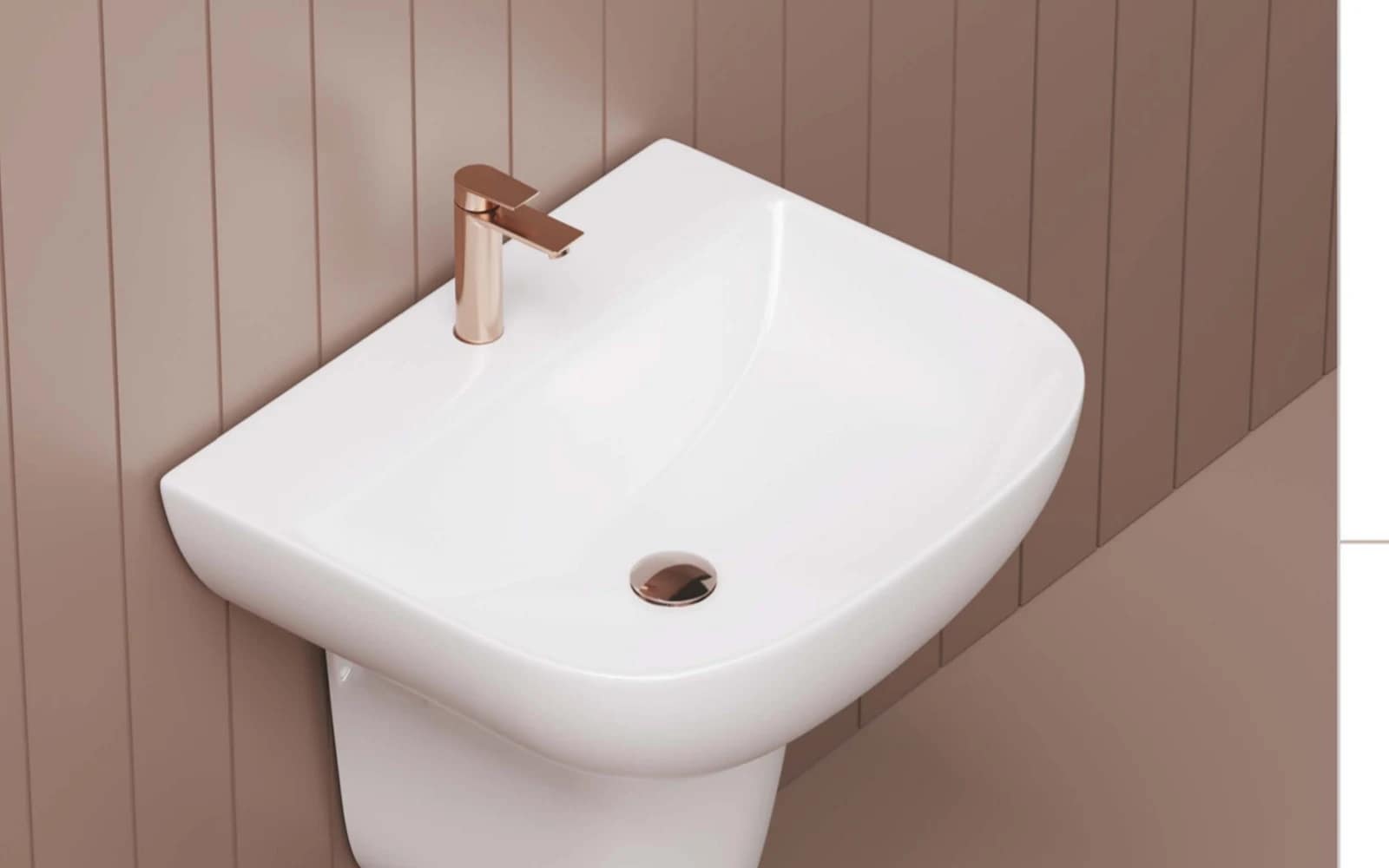
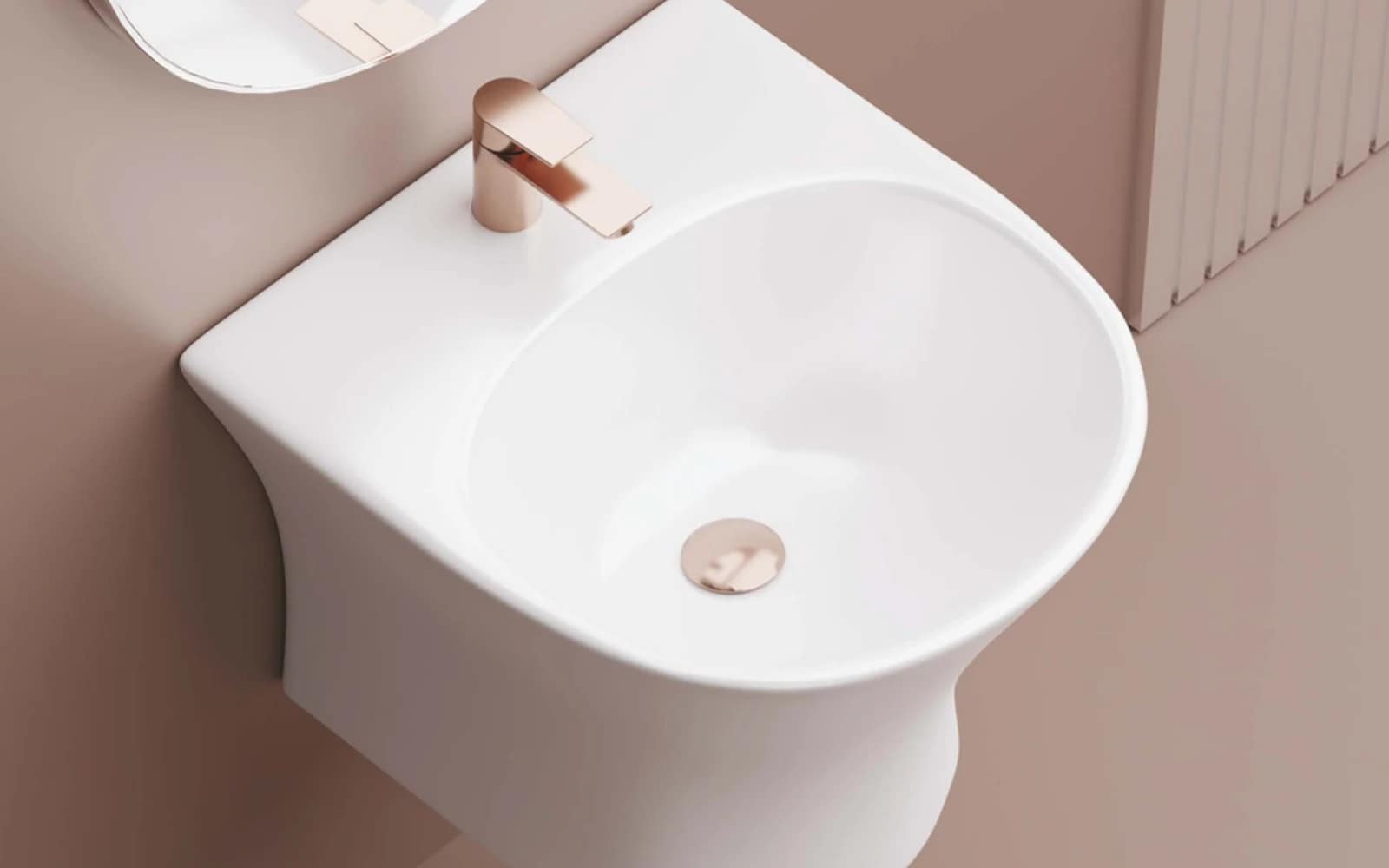
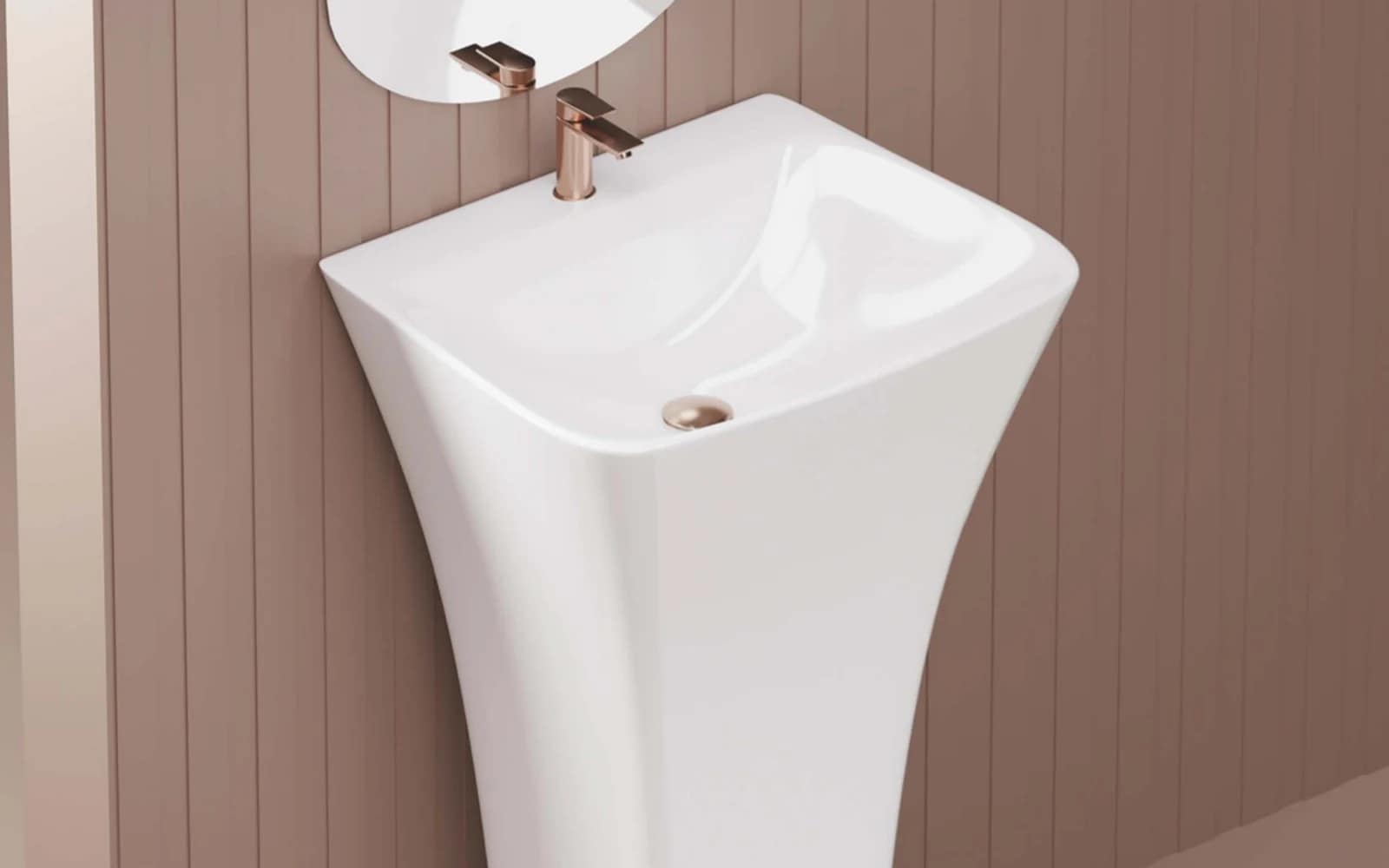
    Table-top basins sit on a counter and give you storage underneath — the standard choice for a family bathroom. Under-counter basins produce a clean, wipeable countertop. Wall-hung and half-pedestal basins are the right answer in a compact powder room where floor space is tight. Confirm the counter cut-out size before ordering a table-top basin.

  5. 5. Check the flush and the glaze

    A dual-flush cistern at 3/6 litres is now the sensible default and cuts water use substantially against an older 10-litre single flush. On the ceramic itself, look for an even, non-porous glaze — in hard-water regions like much of Telangana and Andhra Pradesh, glaze quality is what determines whether the surface still cleans up easily after five years.

Compare

Floor-mounted vs one-piece vs wall-hung WC

The three water-closet formats, and the trade-off each one makes.

Floor-mounted vs one-piece vs wall-hung WC
SpecificationTwo-piece floor-mountedOne-piece floor-mountedWall-hung
CisternSeparate, bolted onIntegrated, seamlessConcealed in wall
Floor space usedFull footprintFull footprintNone — floor is clear
Ease of cleaningSeams and bolts collect grimeVery good — no seamBest — nothing touches the floor
InstallationSimplestSimpleNeeds concealed frame before tiling
ServicingEasiest — parts accessibleModerateAccess panel required
Relative cost₹₹₹₹₹

A wall-hung frame must be fixed during civil work. Retro-fitting one into a finished bathroom means breaking the wall.

Step 1 of 3

Which space are you designing?

Sanitaryware — frequently asked questions

Straight answers to what buyers ask us most about sanitaryware.

What is the difference between an S-trap and a P-trap WC?

The trap is the outlet path that carries waste away and holds a water seal against odour. An S-trap exits downward through the floor and is standard in most Indian construction. A P-trap exits horizontally through the wall and is common in apartments and newer buildings. Your existing plumbing determines which you need — check before choosing a model, because the two are not interchangeable.

What is rough-in distance and why does it matter?

Rough-in is the distance from the finished wall to the centre of the waste outlet in the floor. Indian bathrooms are usually built at 225 mm or 300 mm. If you buy a WC with a different rough-in, it will either stand away from the wall with a visible gap or will not connect at all. Measure it once, write it down, and bring it to the showroom.

Which wash basin is best for a small bathroom?

A wall-hung or half-pedestal basin, because nothing sits on the floor and the room reads as larger. If you need storage, a compact table-top basin on a narrow 400–450 mm deep counter works well. Avoid full-pedestal basins in tight spaces — the pedestal blocks floor cleaning and adds visual bulk without adding storage.

What is vitreous china and why is it used for sanitaryware?

Vitreous china is a clay body fired at very high temperature and coated with a vitreous glaze, producing a surface that is essentially non-porous. That is what makes it stain-resistant, hygienic and easy to clean, and why it has been the standard material for basins and water closets for over a century. The quality of the glaze is what separates a good piece from a cheap one.

How much water does a dual-flush cistern save?

A dual-flush cistern offers a 3-litre half flush and a 6-litre full flush, against a single 10–12 litre flush on older cisterns. For a family of four, that typically works out to tens of thousands of litres saved a year. Every dual-flush unit we stock is designed for the water pressures found in Indian overhead-tank systems.

Do you supply complete bathroom sets?

Yes. Our showrooms carry the water closet, wash basin, cistern, faucets, shower system, accessories and the matching floor and wall tiles under one roof, so the finishes are coordinated and you make one trip instead of five. Tell our consultants your bathroom dimensions and budget and they will build the full package for you.
Expert AdviceChat with us