Skip to content
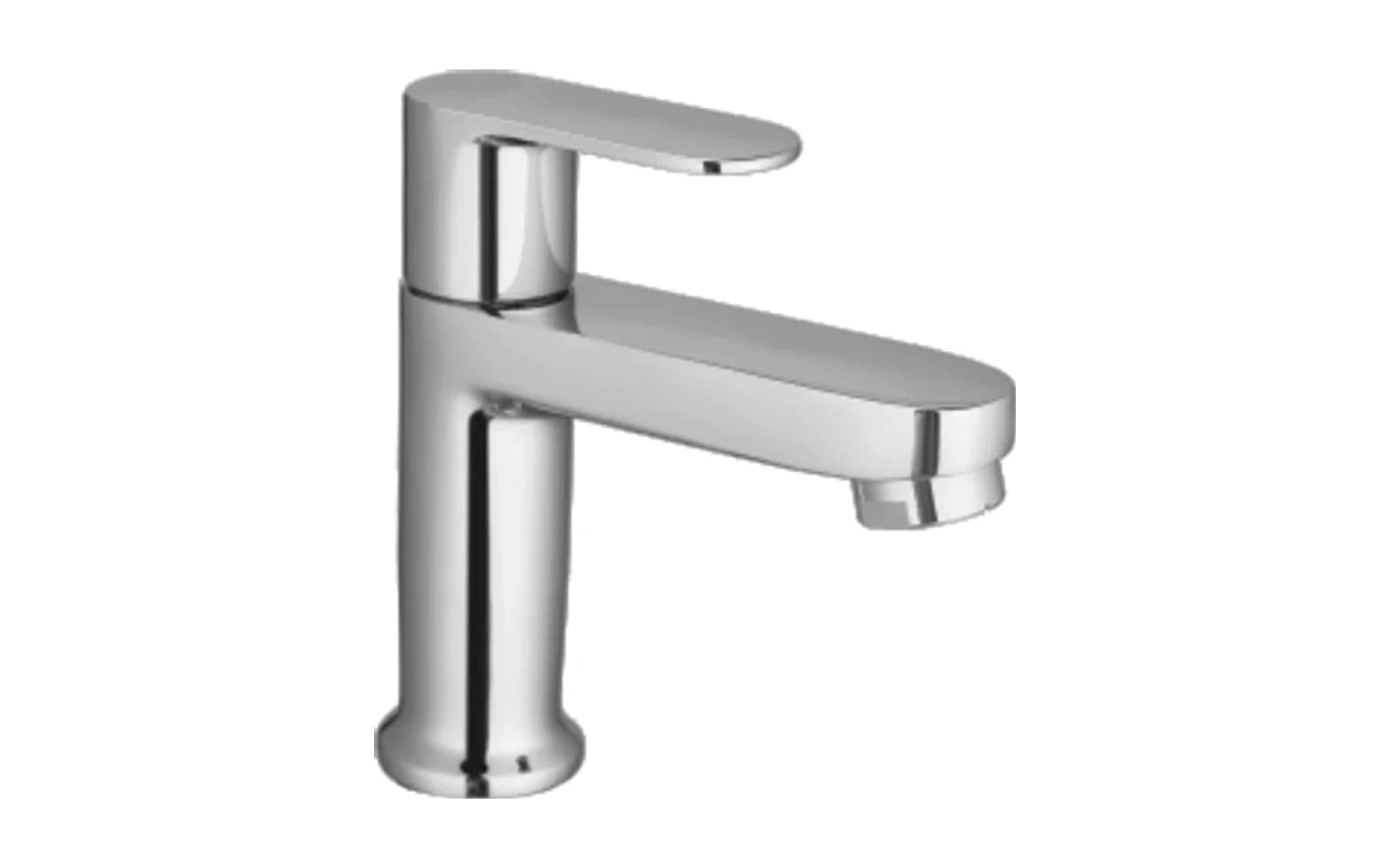
Chrome single-lever basin mixer faucet mounted on a ceramic wash basin

Collection 03

Faucets & CP Fittings

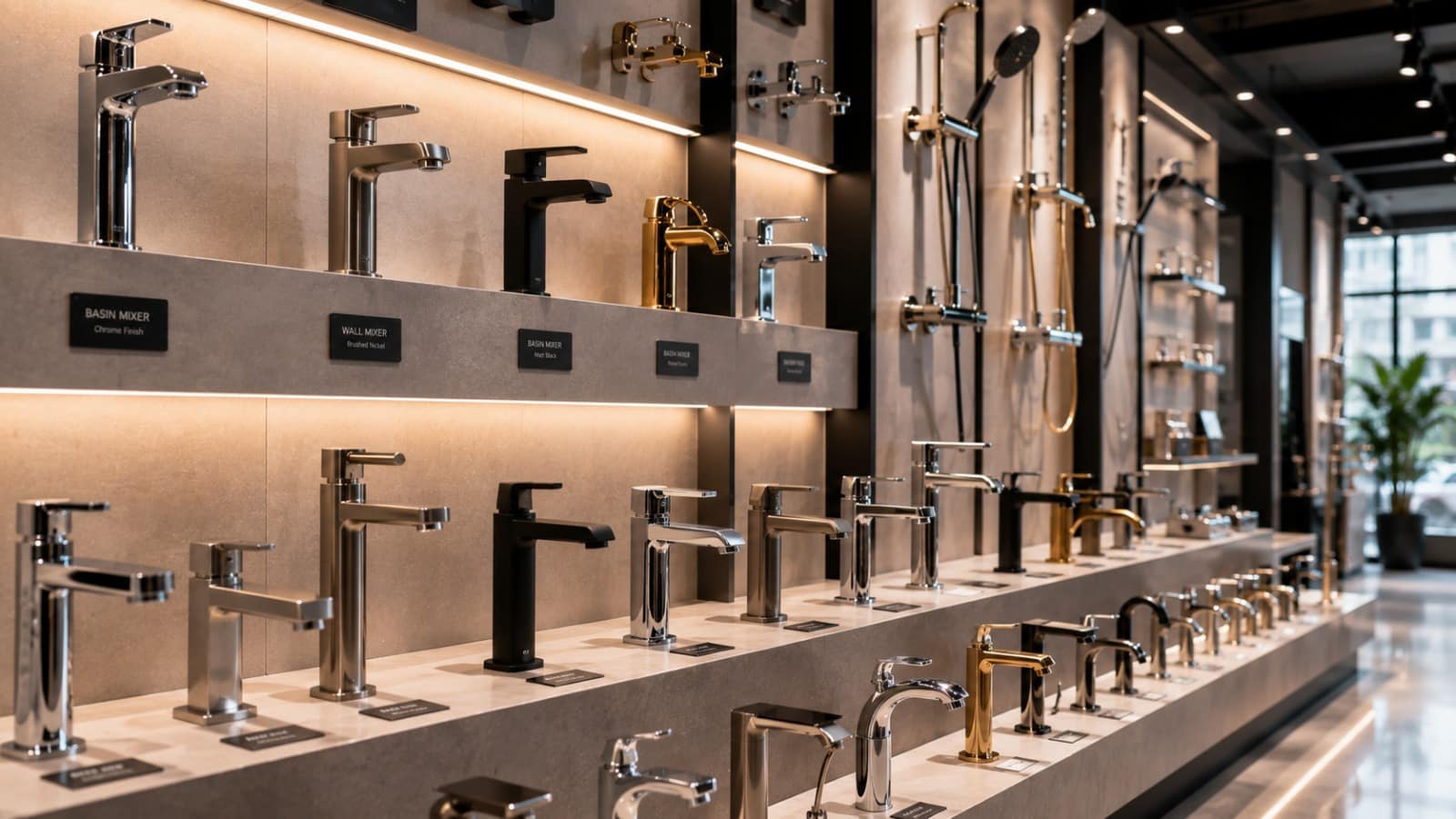
Basin mixers, wall mixers, diverters, shower sets and kitchen taps — ceramic-disc cartridges, brass bodies and finishes that hold up to hard water.

Faucets products

Showing 1 of 1 products

Buying guide

How to choose faucets and CP fittings

A faucet is judged on what you cannot see: the cartridge, the body metal and the plating. Here is what to ask before you buy.

  1. 1. Insist on a ceramic-disc cartridge

    The cartridge is the valve that opens, closes and mixes. Ceramic-disc cartridges use two polished ceramic plates and are rated for hundreds of thousands of cycles without dripping. Rubber-washer valves are cheaper and start leaking within a couple of years, especially in hard water. This single component decides whether your faucet is still silent in year five.

  2. 2. Check the body metal

    A quality faucet body is forged brass. Brass resists corrosion, holds thread accurately and carries plating well. Zinc-alloy bodies are lighter and cheaper, and they pit and fail far sooner in hard-water regions. Weight in the hand is a reasonable field test: a brass body feels noticeably heavier than it looks.

  3. 3. Pick the type by mounting position

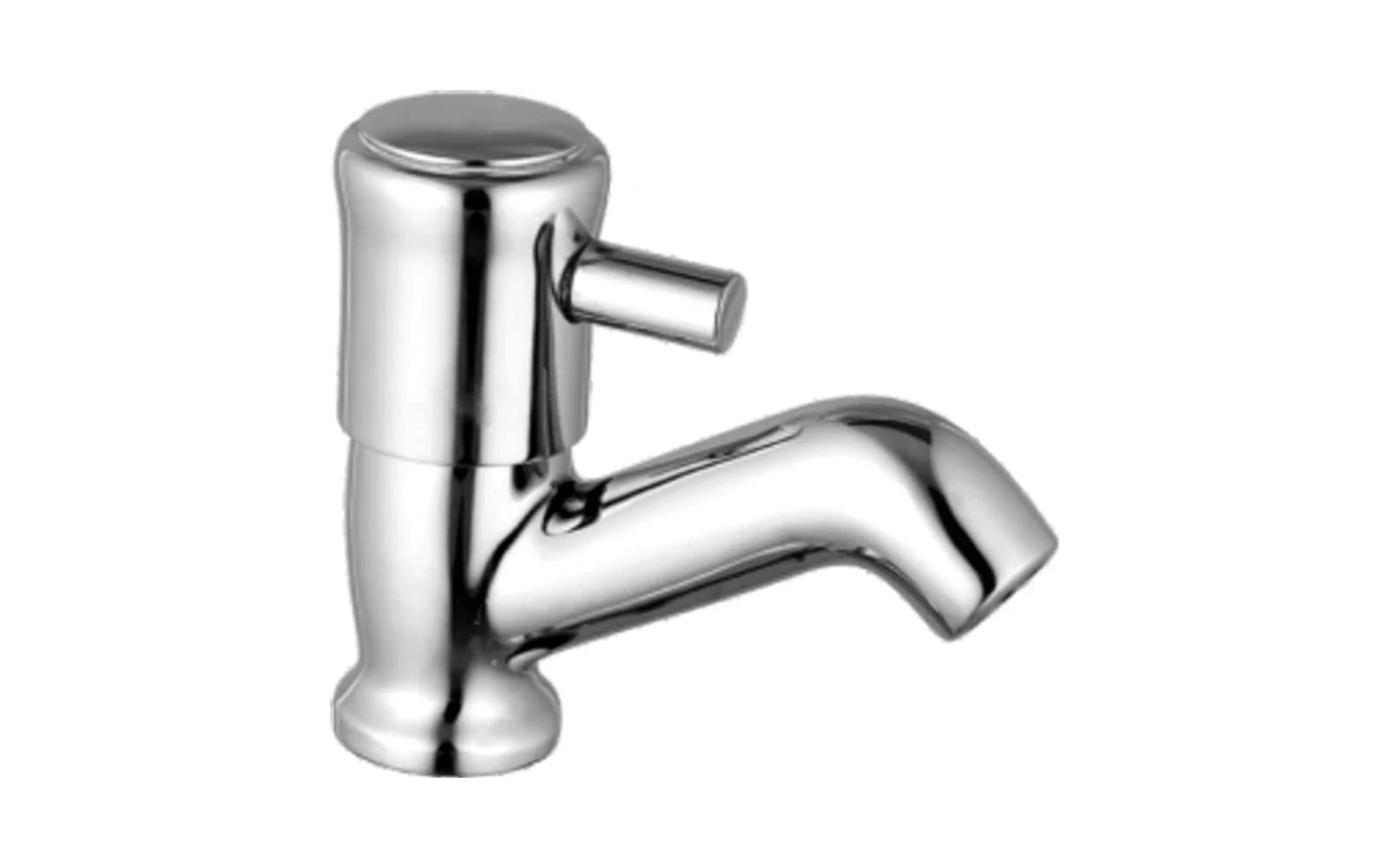
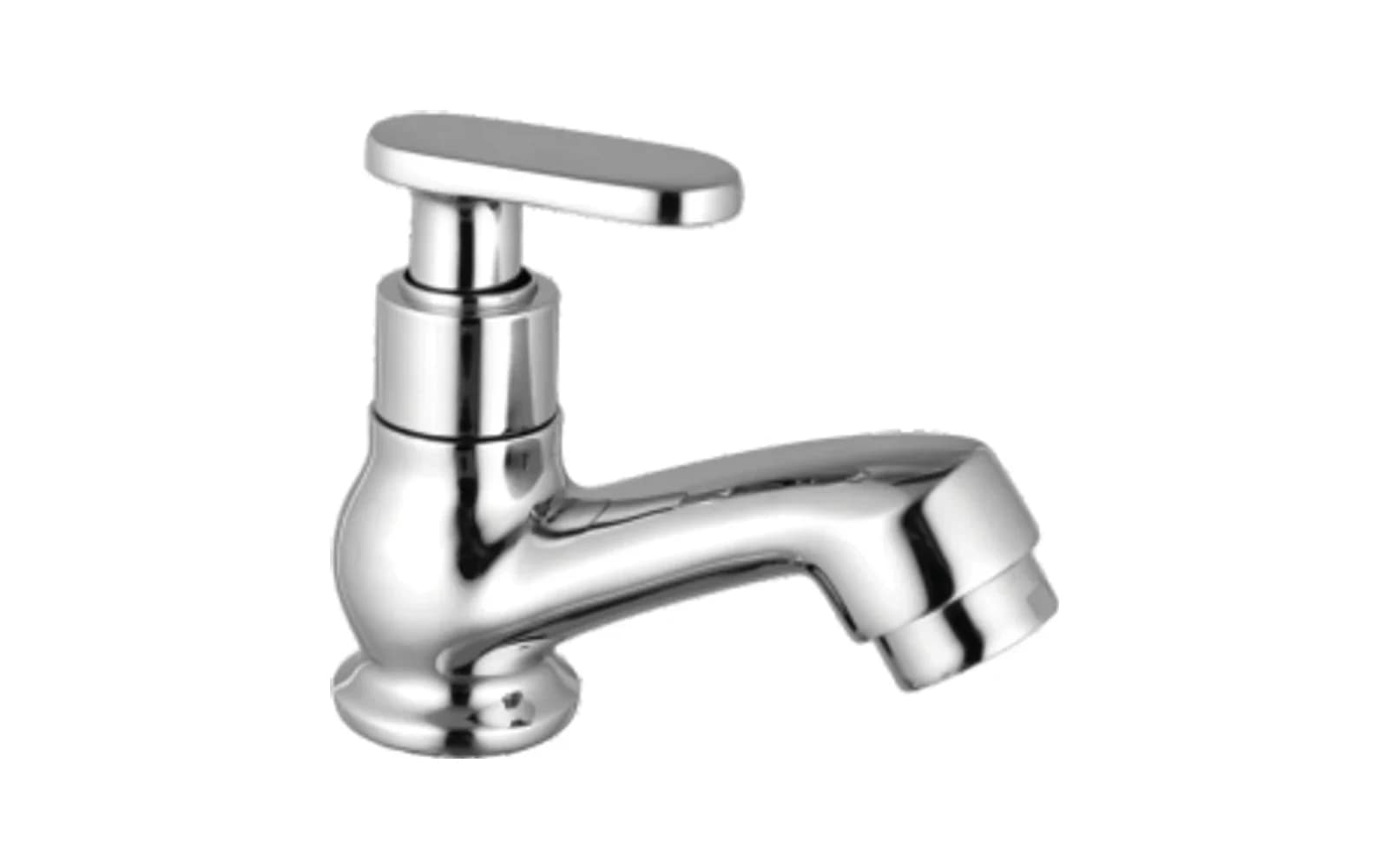
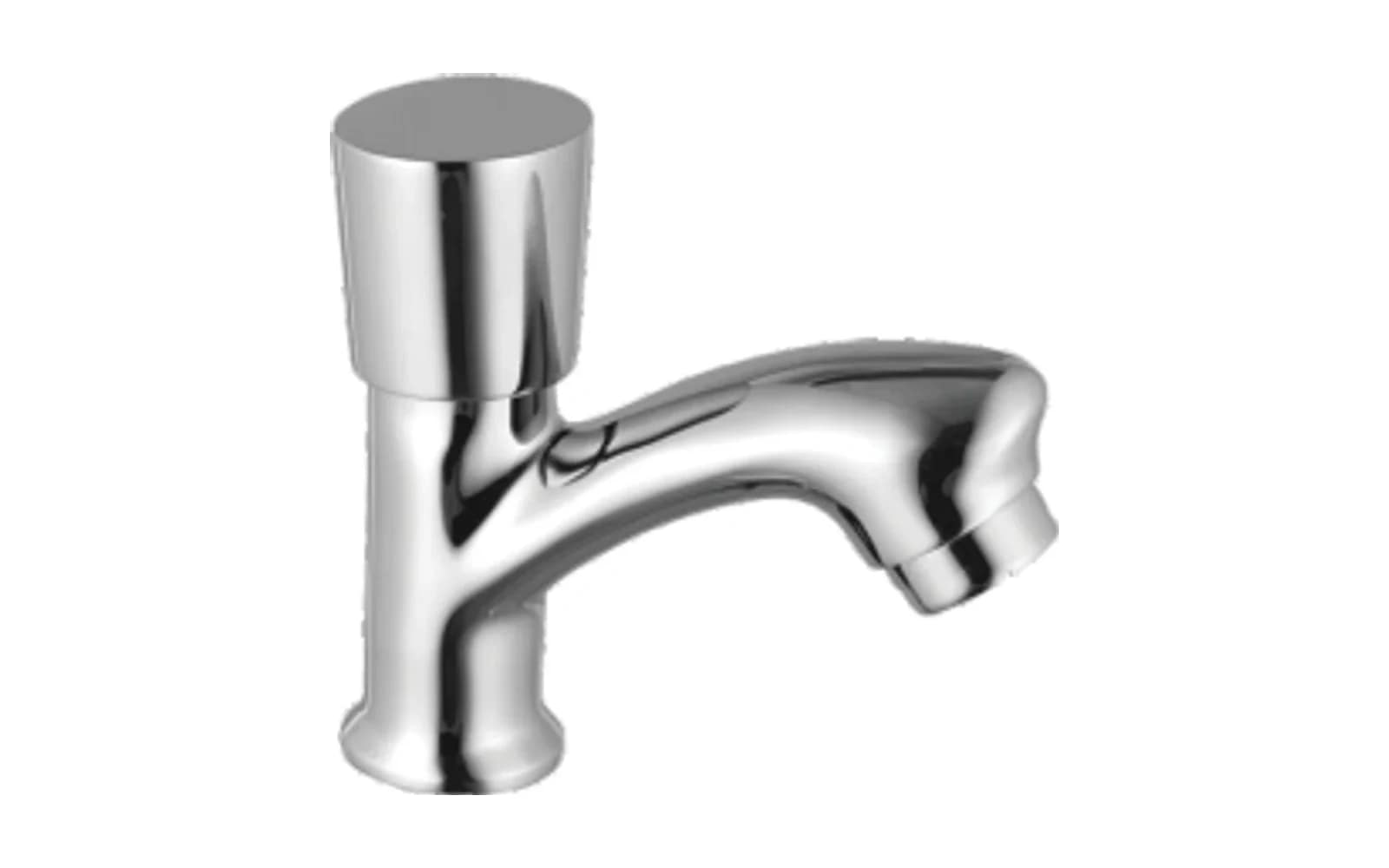
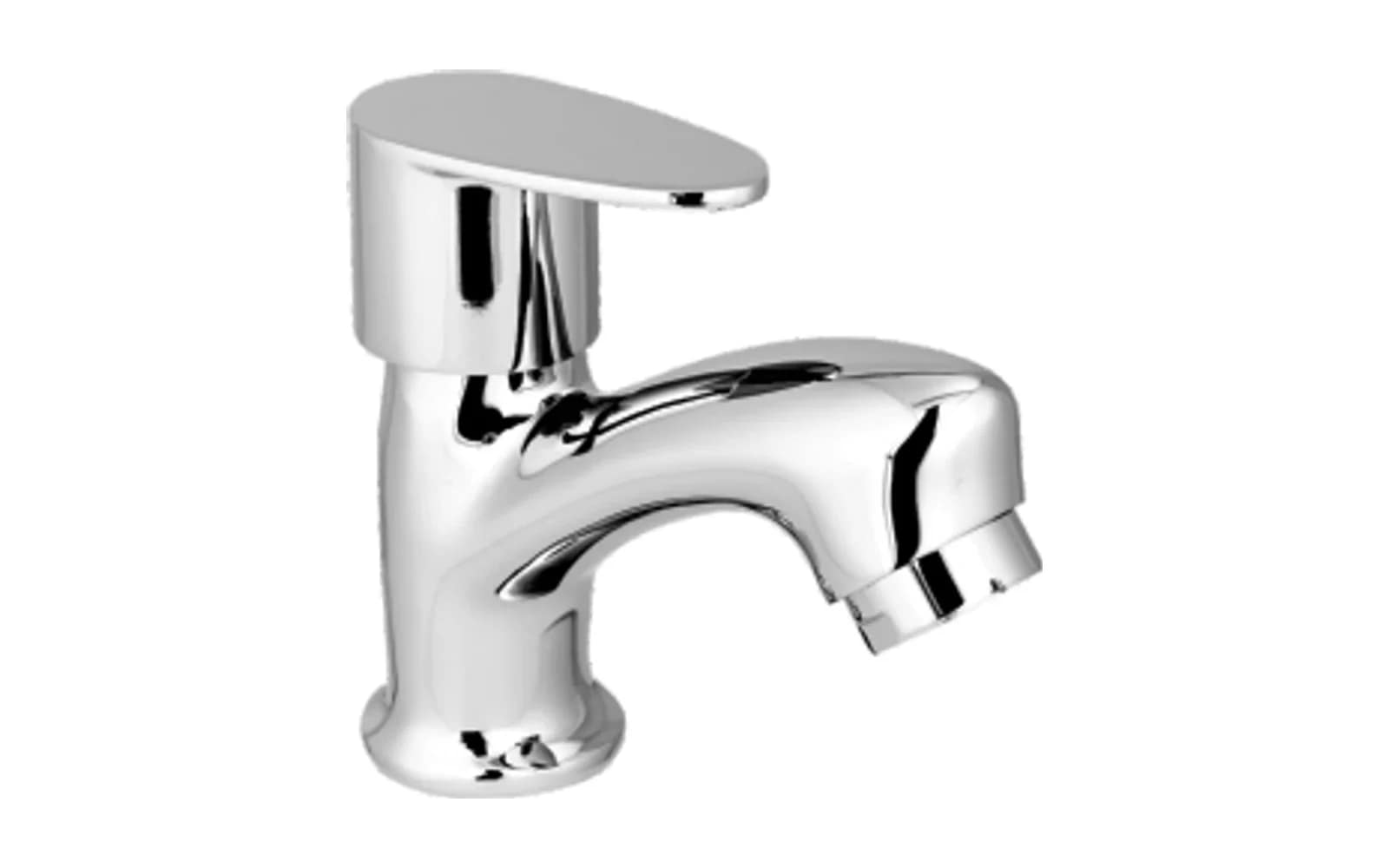
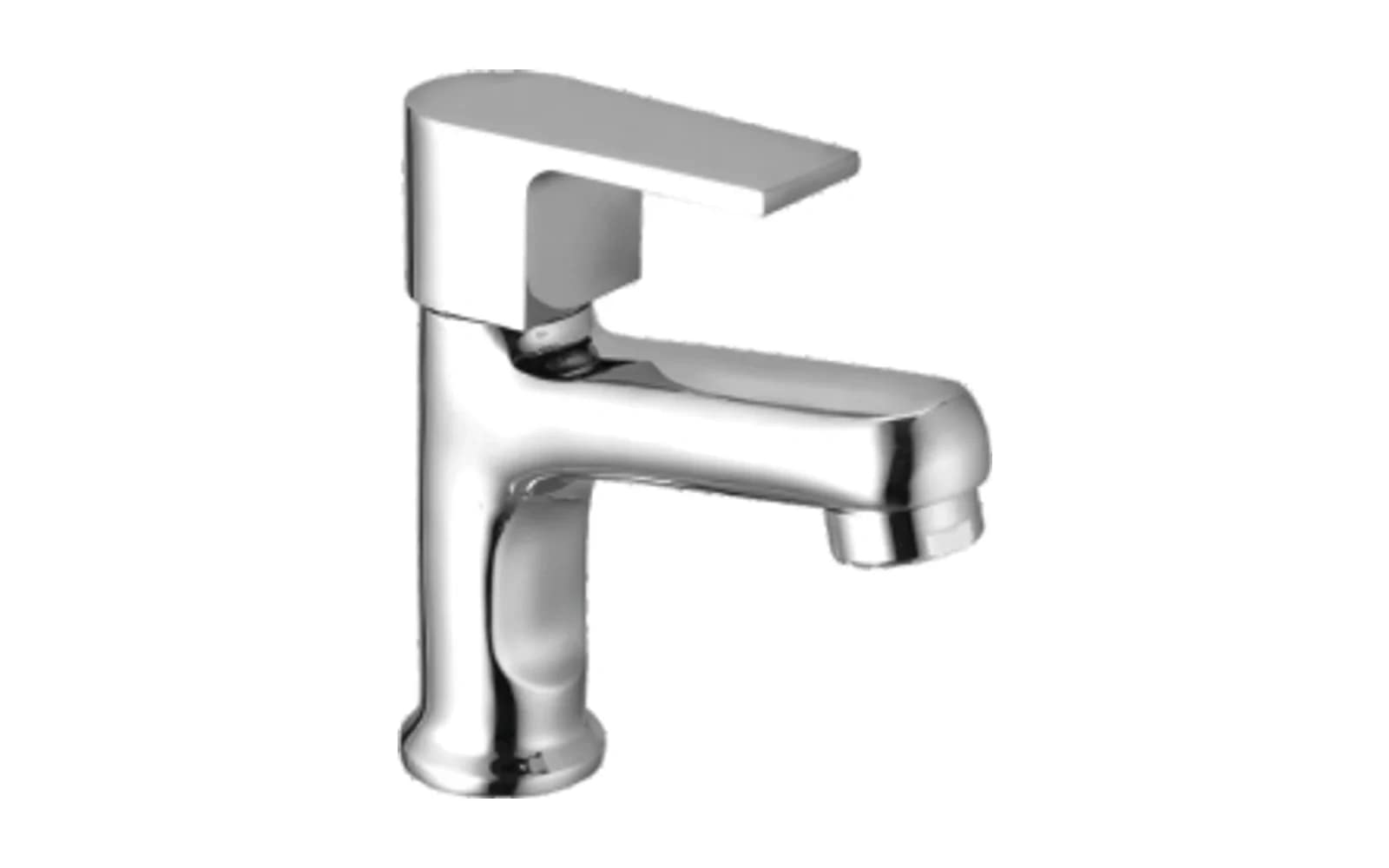
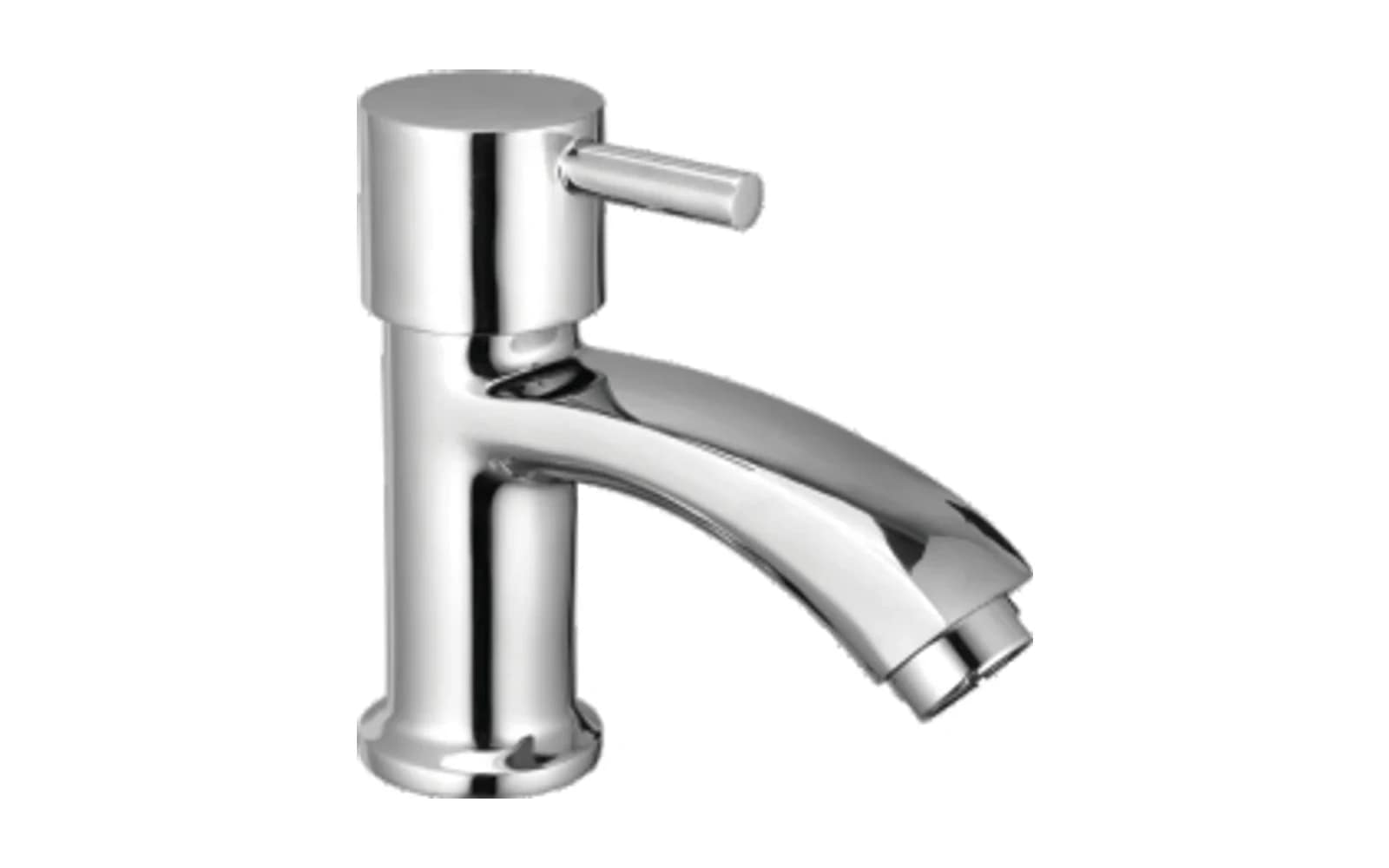
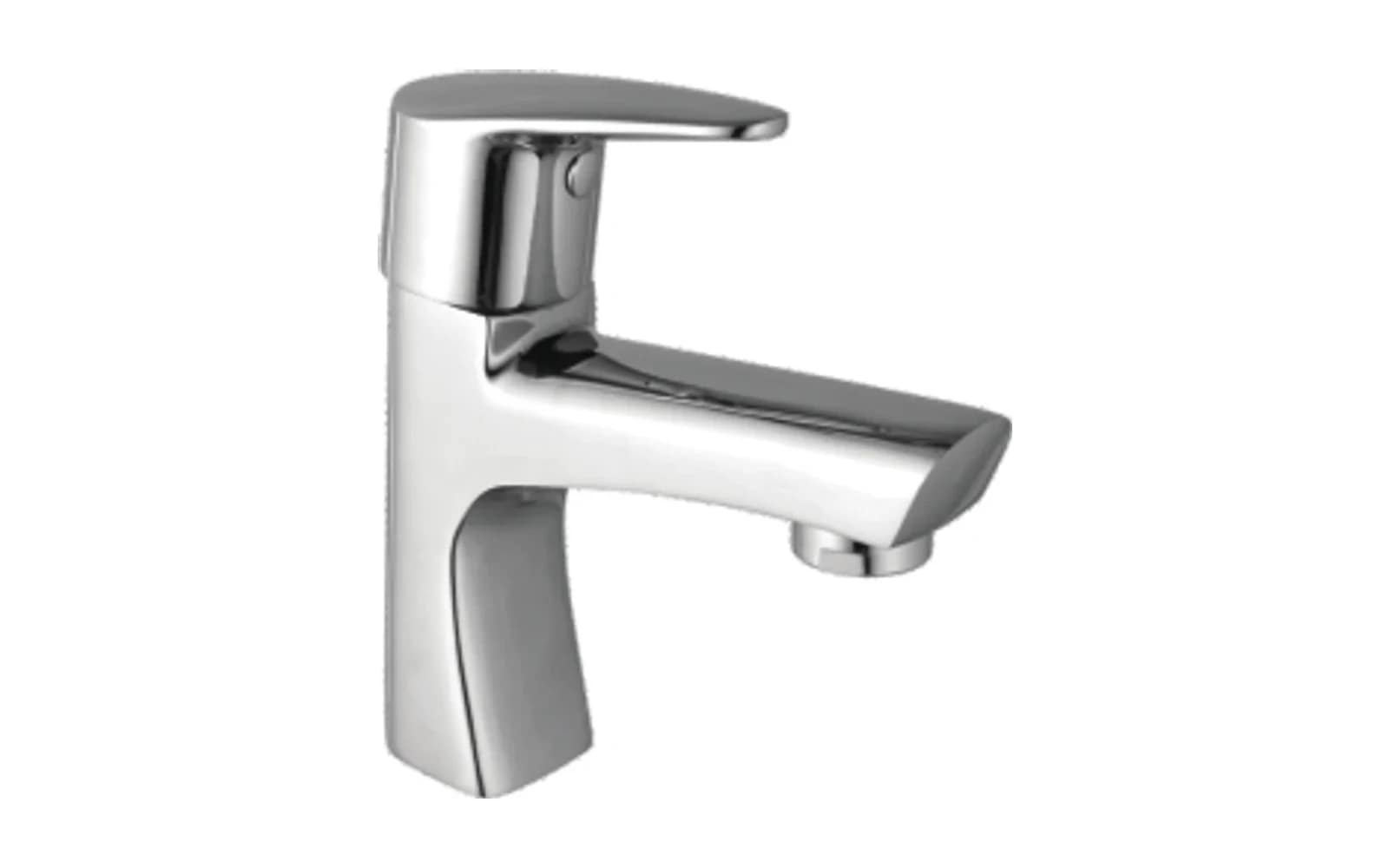
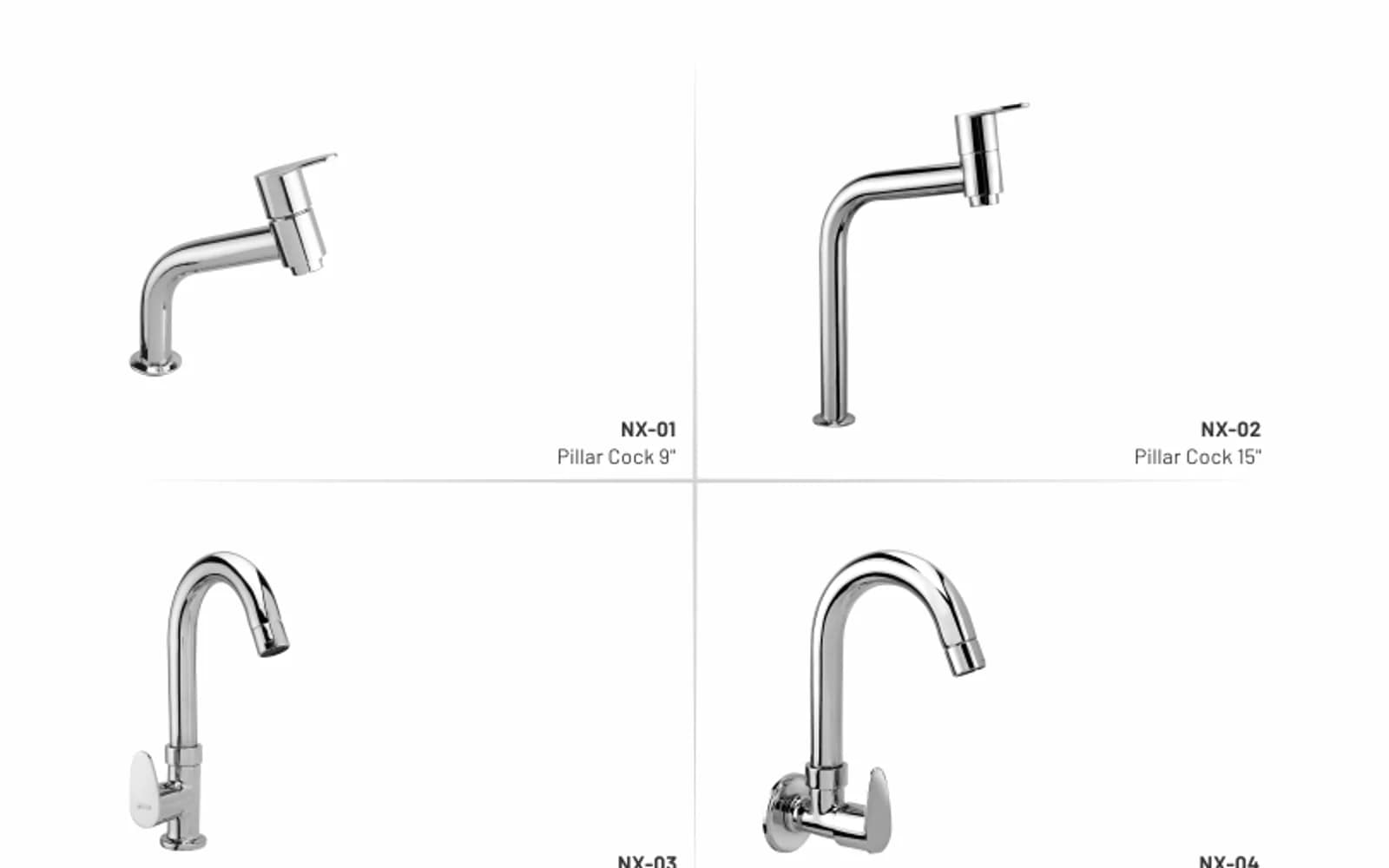
    A pillar cock is a single-hole, cold-only tap for a basin. A single-lever basin mixer blends hot and cold from one handle and is the modern standard. A wall mixer mounts on the wall and feeds a bath spout; a wall mixer with diverter also feeds an overhead shower. A health faucet is the hand spray beside the WC. List the fittings your bathroom needs before shopping — most bathrooms need four to six pieces.

  4. 4. Choose a finish you can maintain

    Chrome plating is the most durable and forgiving, and hides water spotting best — which matters in hard-water areas. Matte black and gunmetal look striking but show limescale and need wiping after use. Rose gold and brushed brass sit between the two. Whatever you pick, keep every fitting in the room in the same finish family, including the shower and accessories.

  5. 5. Confirm your water pressure

    Overhead-tank gravity systems in most Indian homes deliver low pressure. Rain showers and multi-function shower panels need meaningful head height or a pressure pump to perform as intended — fitted on low pressure they simply dribble. Tell our consultants your tank height and we will point you at fittings rated for it.

Compare

Single-lever vs two-handle vs sensor faucets

Three control types, three different reasons to choose them.

Single-lever vs two-handle vs sensor faucets
SpecificationSingle-lever mixerTwo-handle (pillar/centreset)Sensor / touchless
Temperature controlOne-handed, instantManual blend, slowerPreset or thermostatic
Best forFamily bathrooms, kitchensTraditional interiors, budget buildsCommercial, clinics, high-traffic
Water savedModerate — faster to setLeastMost — runs only in use
MaintenanceOne cartridge to replaceTwo seats to serviceNeeds power or battery
Relative cost₹₹₹₹₹

All three are stocked in chrome as standard; matte black and rose gold are available on selected ranges.

Step 1 of 3

Which space are you designing?

Faucets — frequently asked questions

Straight answers to what buyers ask us most about faucets.

What is a diverter in a bathroom faucet?

A diverter is the control that redirects water between two outlets — typically from a bath spout up to the overhead shower. A wall mixer with a diverter combines hot/cold mixing and outlet switching in a single unit, which is why it is the most common bathroom fitting in Indian homes. A three-way diverter adds a third outlet, usually a hand shower.

Are matte black faucets harder to maintain than chrome?

Yes, in hard water. Matte black and gunmetal finishes show limescale and soap residue more readily than chrome, and need wiping dry after use to stay looking new. Chrome plating is the most forgiving finish and the easiest to live with in Telangana and Andhra Pradesh water conditions. Choose matte black for the look, with that maintenance in mind.

What water pressure do I need for a rain shower?

Overhead rain showers rely on flow rather than force, so they need adequate head — generally a tank at least 15 to 20 feet above the outlet — to spray properly. Below that, fit a pressure pump or choose a concentrated-spray shower head instead. Tell us your tank height and we will recommend a shower rated for it rather than one that will disappoint.

What is the difference between brass and zinc-alloy faucet bodies?

Brass is corrosion-resistant, holds thread accurately and accepts chrome plating cleanly, which is why premium faucets are forged from it. Zinc-alloy bodies cost less but corrode and pit from the inside in hard water, and the plating fails with them. A brass faucet is noticeably heavier in the hand — that weight is the simplest quality check you can perform in a showroom.

How many faucets does one bathroom need?

A standard Indian bathroom typically needs five pieces: a basin mixer or pillar cock, a wall mixer with diverter, an overhead shower with arm, a health faucet, and an angle valve or two. Add a bath filler if you have a tub. Bring your bathroom layout to any Bandhan showroom and our consultants will build the complete fitting list in one sitting.

Do faucets come with a warranty?

Yes. Warranty terms vary by range and manufacturer, and typically cover the cartridge and the plating separately. Ask for the specific warranty card for the range you are buying and keep your invoice — both are needed for any claim. Our showroom teams handle warranty coordination for products purchased from us.

Expert AdviceChat with us