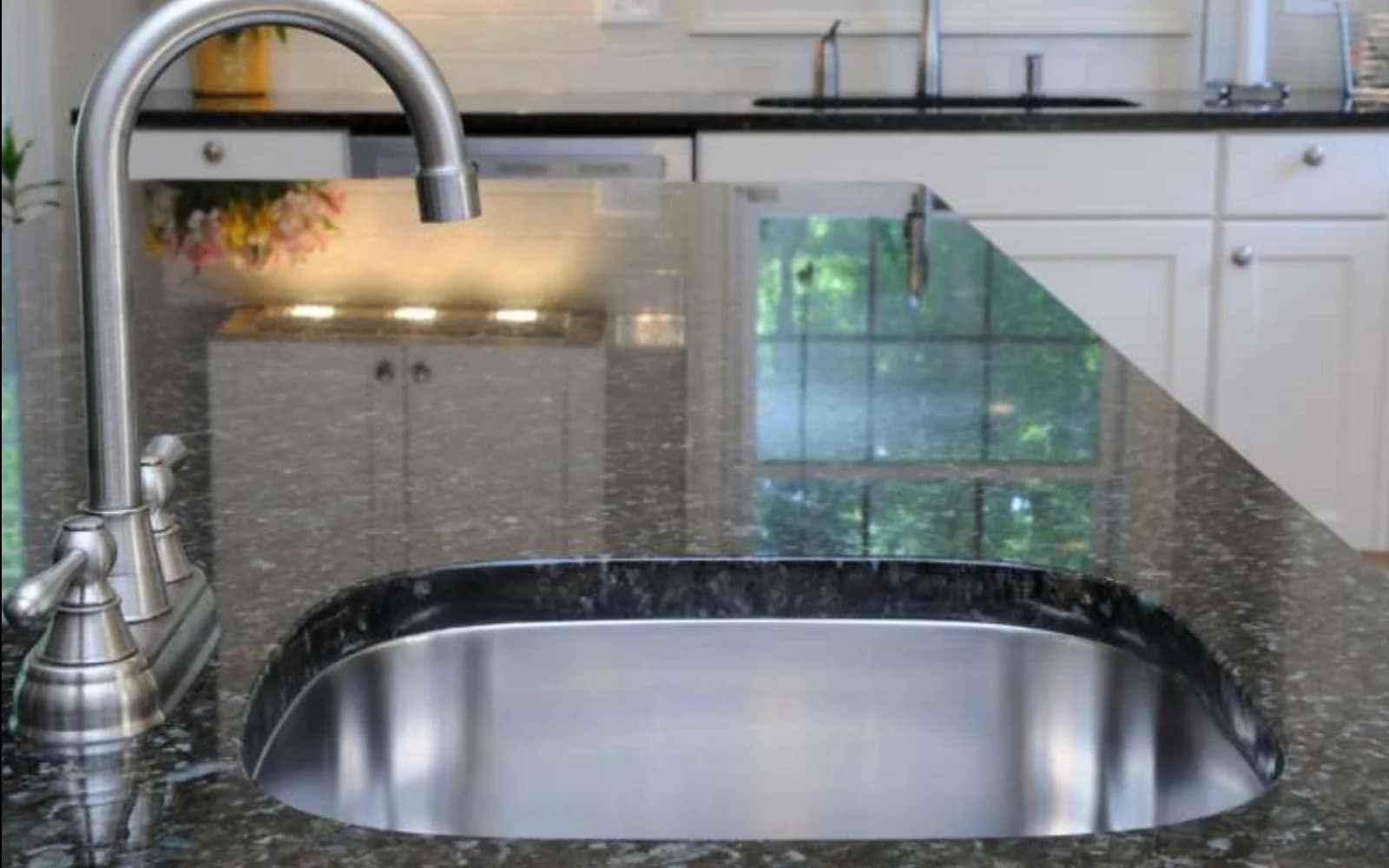
Kitchen Sinks series
Stainless Steel
Pressed from 1 mm BIS-certified 304 grade stainless steel and finished in satin rather than mirror — satin hides the fine scratching daily use puts on any steel sink, which is why it still reads as new years in. Worth checking the depth before you choose on size alone: the two Small options are 180 mm and 190 mm deep against 215 mm for everything larger.
Enquire about Stainless Steel
2 models
Every model in Stainless Steel
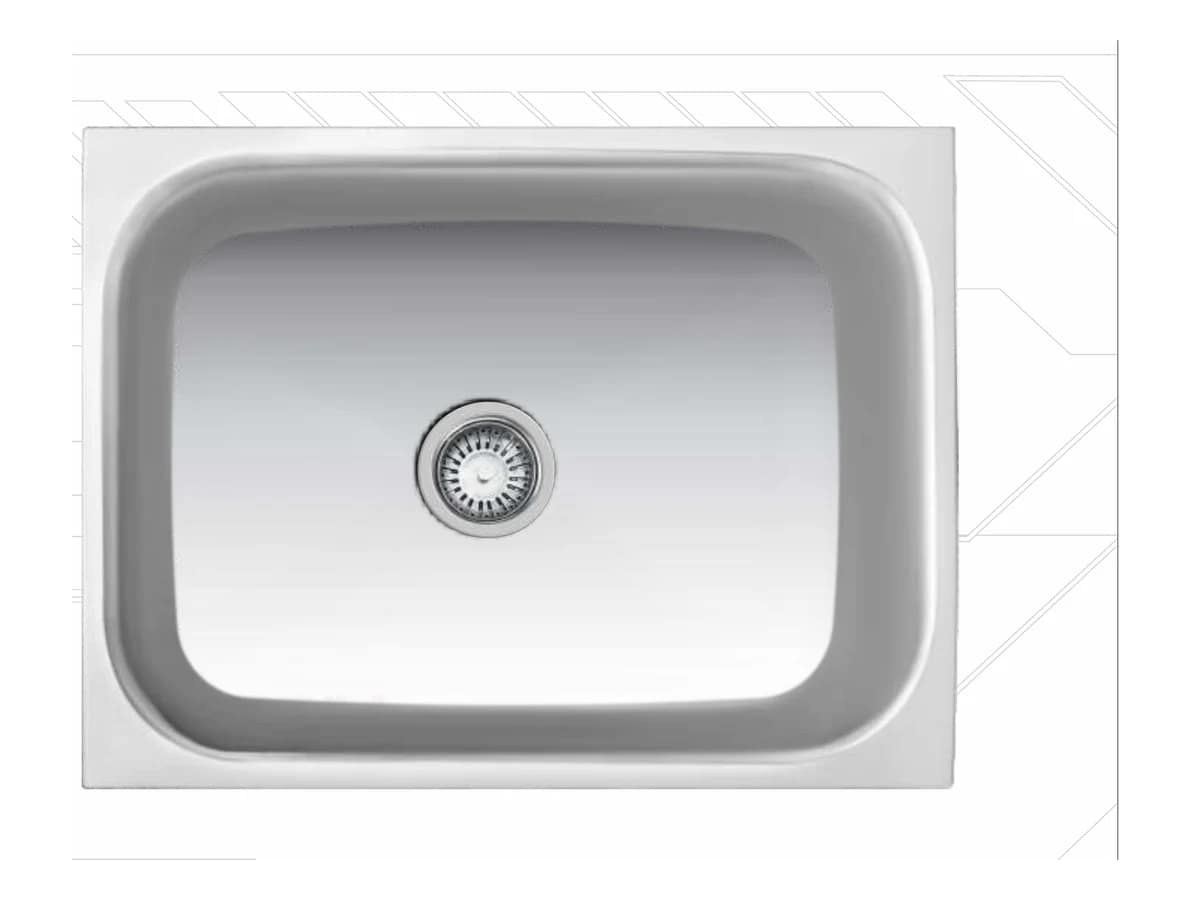
Stainless Steel Single Bowl
- Large — 610 × 460 × 215 mm
- Big — 535 × 460 × 215 mm
- Small — 460 × 410 × 180 mm
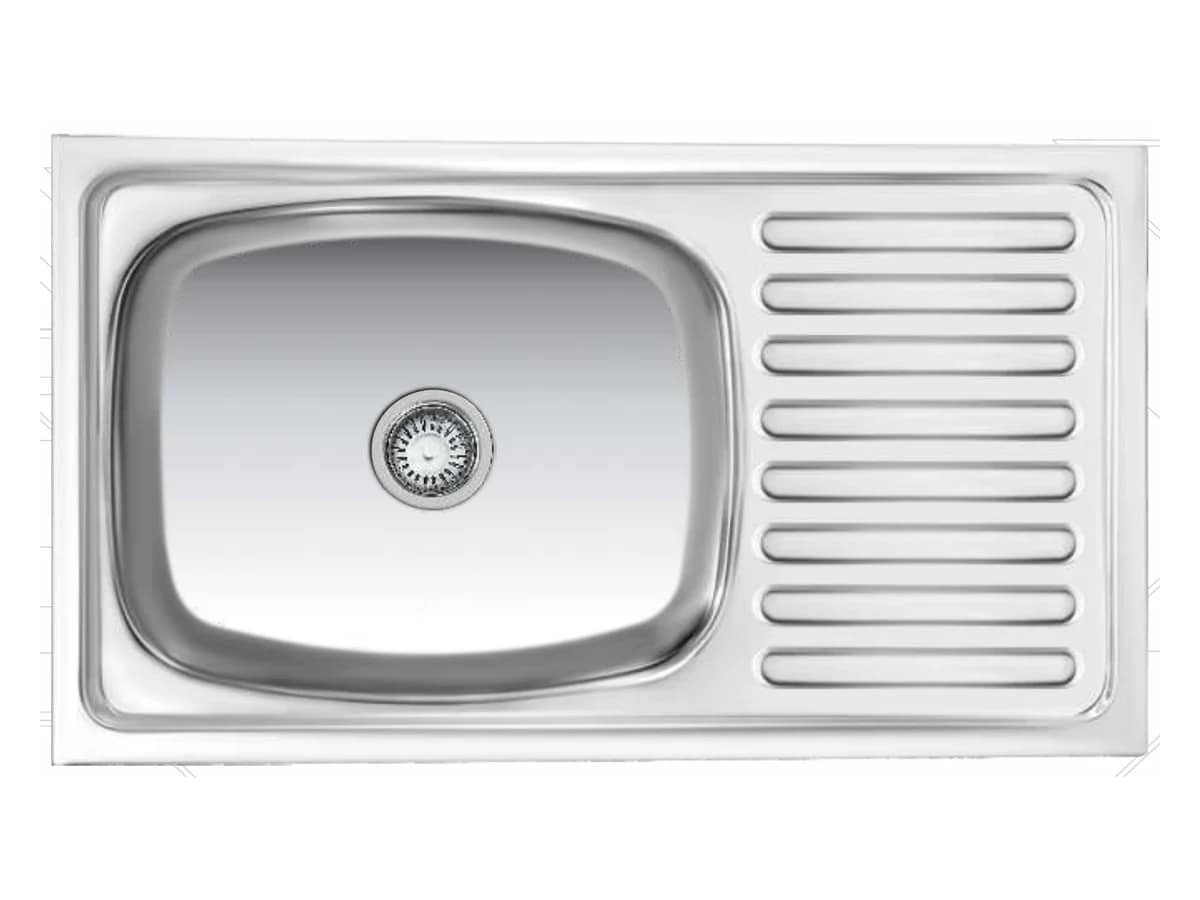
Stainless Steel Single Bowl with Drainboard
- Unique — 915 × 510 × 215 mm
- Small — 915 × 460 × 190 mm
Specifications
| Series | Stainless Steel |
|---|---|
| Category | Kitchen Sinks |
| Size | 460 × 410 mm · 535 × 460 mm · 610 × 460 mm · 915 × 460 mm · 915 × 510 mm |
| Finish | Satin |
| Body type | 1 mm BIS-certified 304 grade stainless steel |
| Application | Kitchen |
| Models in series | 2 |
| Brand | Bandhan |
| Availability | In stock at Bandhan Ceramic showrooms |
More kitchen sinks series
View all kitchen sinks →
Kitchen Sinks buying questions
What buyers ask us before choosing kitchen sinks like the Stainless Steel series.
Quartz or stainless steel — which kitchen sink should I choose?
Both are sound choices; they fail in different directions rather than one being better. Choose quartz composite if noise bothers you, if the sink is visible from a living or dining area, or if you want a colour other than steel — it does not dent, does not show water spotting, and the pigment runs through the body. Choose stainless steel if the budget is tight, if the kitchen is rented or temporary, or if you want something you can swap out in an afternoon without disturbing the countertop. Steel is lighter and cannot chip; quartz is quieter and warmer to look at.
What is a quartz kitchen sink made of?
A quartz — or granite composite — sink is moulded from crushed natural quartz, typically around 80% by weight, bound in an acrylic or polyester resin. That makes it a solid, non-porous mass rather than a coated surface. Because the pigment is mixed through the whole body, a scratch or a chip does not reveal a different colour underneath the way it does on an enamelled or coated sink.
What is the difference between SS 304 and SS 202 sinks?
SS 304 is the food-grade 18/8 stainless — roughly 18% chromium and 8% nickel — and that nickel content is what gives it real corrosion resistance. SS 202 replaces most of the nickel with manganese, which makes it cheaper but far more prone to pitting and rust staining, usually appearing first around the drain and along the tap ledge in hard water. Ask which grade you are being quoted and get it stated on the invoice; the price difference is small next to the cost of replacing a rusted sink.
What gauge stainless steel sink is best?
Gauge is thickness, and the number runs backwards — lower is thicker. 16 gauge (around 1.5 mm) is the premium specification: rigid, quiet and heavy in the hand. 18 gauge (around 1.2 mm) is the sensible standard for a domestic kitchen. At 20 or 22 gauge the bowl flexes when you lean on it and drums loudly when a vessel goes in, and no amount of dampening pads fully fixes that. Press down on the centre of the bowl in the showroom — if it gives, go thicker.
Can I put hot utensils directly into a kitchen sink?
Yes, with both materials. Stainless steel is entirely unaffected by anything that comes off a domestic burner. Quartz composite sinks are rated for direct contact with hot cookware, typically to around 280°C, so a pan straight off the flame will not mark or warp the bowl. The one thing to avoid on quartz is severe thermal shock in reverse — do not pour ice water into a bowl that has just had boiling oil in it.