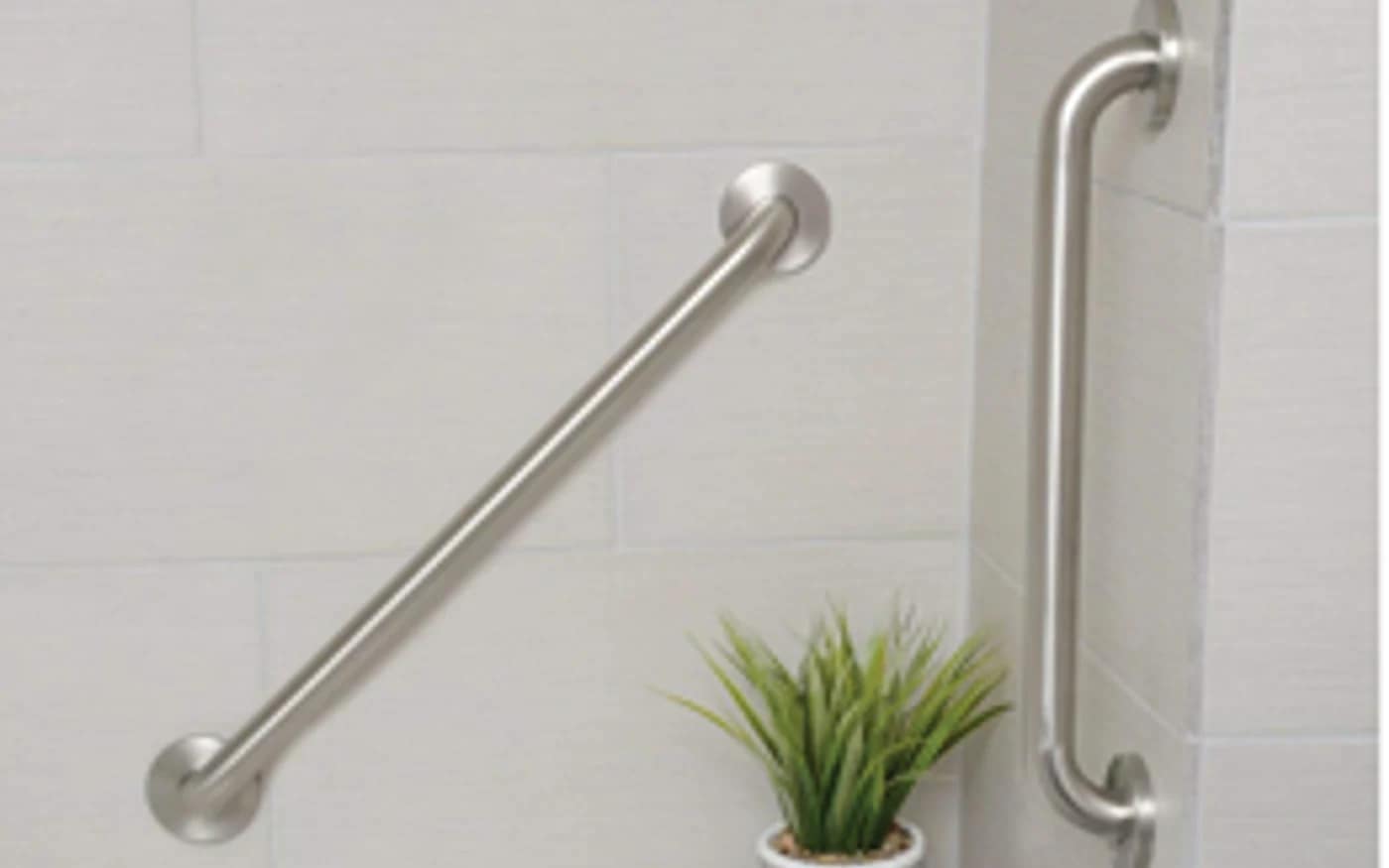
Allied Products range
Grab Bars
Grab bars in brass and matt stainless steel, in five lengths from 9 to 24 inches. A grab bar is a safety fitting and is only as strong as what it is bolted into — masonry or a structural stud, never tile and plaster with the plugs from the pack. Decide the position before tiling so the fixings land where they are needed.
Enquire about Grab Bars
2 models
Every model in Grab Bars
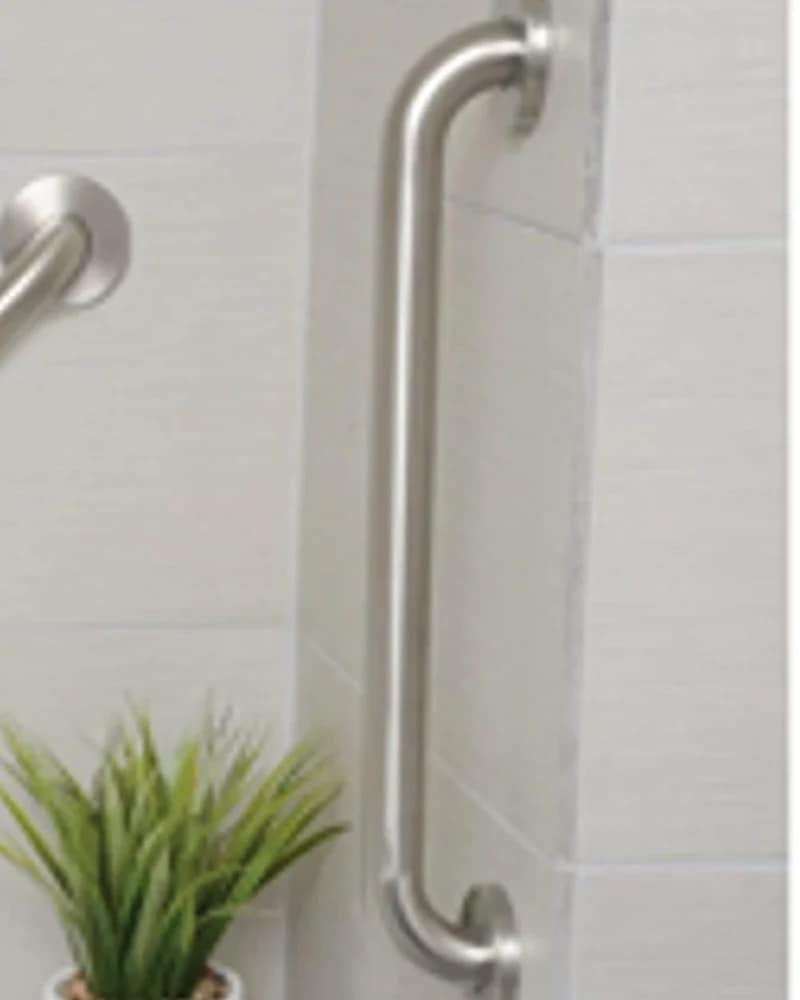
Brass Grab Bar
- Brass Grab Bar 9"
- Brass Grab Bar 12"
- Brass Grab Bar 15"
- Brass Grab Bar 18"
- Brass Grab Bar 24"
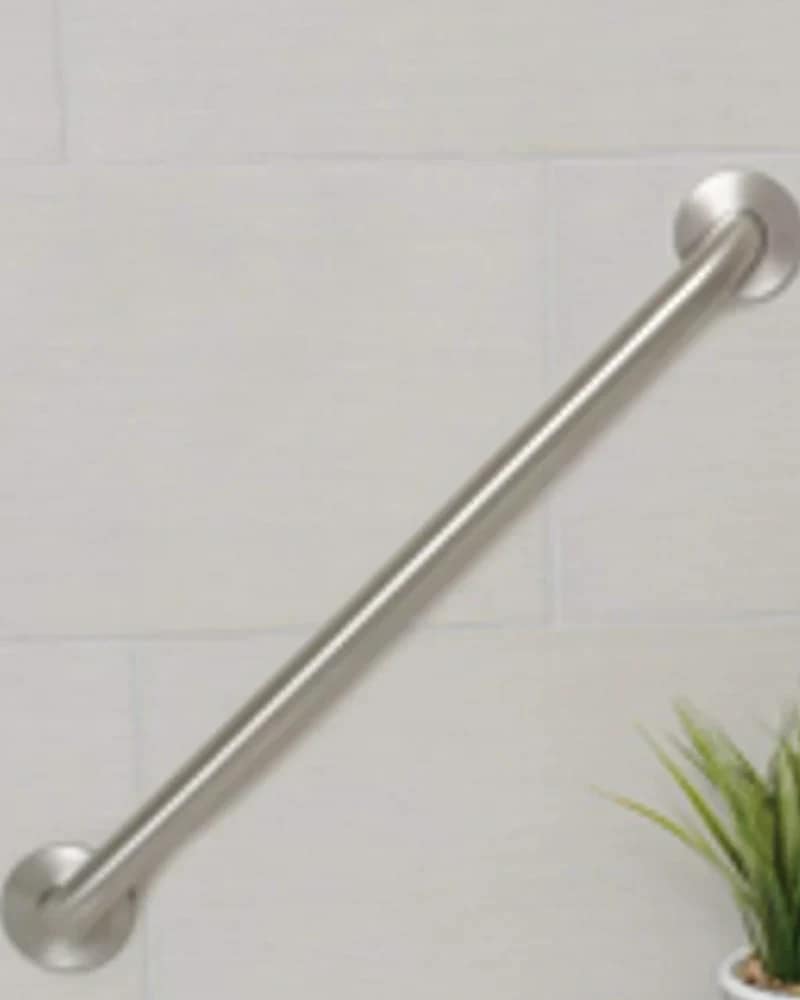
Stainless Steel Grab Bar (Matt)
- Stainless Steel Grab Bar 9"
- Stainless Steel Grab Bar 12"
- Stainless Steel Grab Bar 15"
- Stainless Steel Grab Bar 18"
- Stainless Steel Grab Bar 24"
Specifications
| Range | Grab Bars |
|---|---|
| Category | Allied Products |
| Size | 9" · 12" · 15" · 18" · 24" |
| Models in range | 2 |
| Brand | Bandhan |
| Availability | In stock at Bandhan Ceramic showrooms |
More allied products ranges
View all allied products →
Allied Products buying questions
What buyers ask us before choosing allied products like the Grab Bars range.
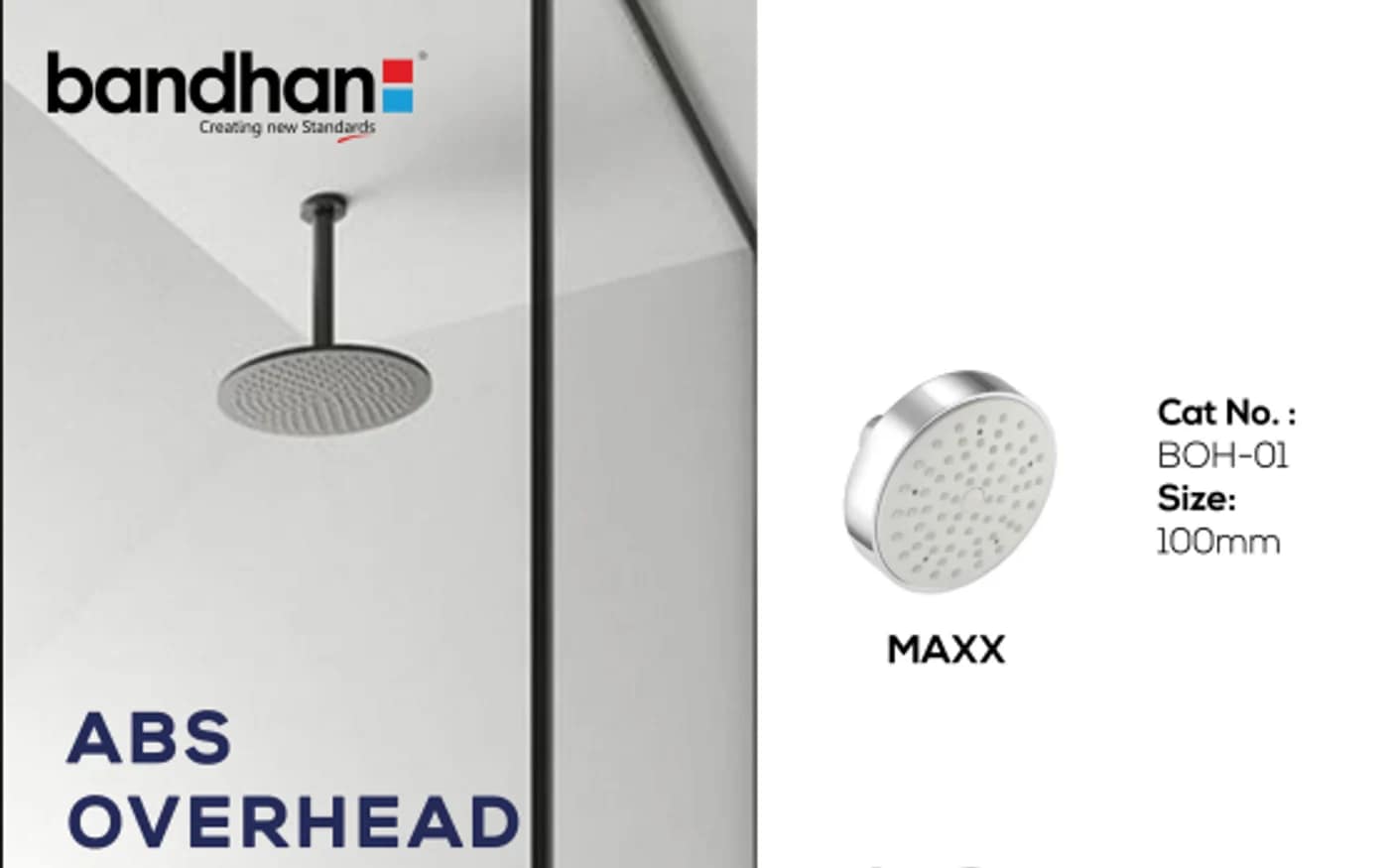
Should I choose an ABS or a brass overhead shower?
It depends on the size of the face. A 8-inch or 12-inch rain shower in brass is heavy enough to strain the shower arm and its wall fixing over time, so ABS is the sensible body for wide faces — it is chrome-plated to match the rest of the bathroom and it cannot corrode. Brass makes sense on smaller heads and on the parts that hold pressure and get handled daily, such as mixers and stop cocks.
What is a health faucet and where should it be fitted?
A health faucet is the hand-held spray fitted beside a water closet, connected by a flexible hose to an angle valve. It is standard in Indian bathrooms and is normally mounted on the wall within easy reach from a seated position, on whichever side the user prefers. The parts that decide how long it lasts are the trigger mechanism and the hose — a braided hose outlasts a plain PVC one considerably.
Why does my bathroom smell even though it is clean?
Almost always a dry trap. Every waste point holds a small body of water that seals the room off from drain gas, and if a floor drain or basin trap goes unused for a few weeks that water evaporates and the seal breaks. Running the taps and pouring a mug of water down each floor drain refills it. If the smell persists with the traps full, the cause is usually a waste point with no trap at all rather than a dirty one.
Do I need both a bottle trap and a floor drain?
They trap different waste points, so usually yes. The bottle trap sits under the wash basin and traps that outlet — it is exposed under a counter-top basin, which is why it is picked for its finish as well as its function. The floor drain traps the water running off the floor and the shower area. Neither substitutes for the other, and a bathroom missing a trap at either point will pass drain odour back into the room.
Where should a grab bar be fixed, and what into?
Alongside the water closet and on the wet wall of the shower are the two placements that matter, set so they can be reached from seated. Fixing is the part people get wrong: a grab bar must be bolted into masonry or a structural stud, not into tile and plaster with generic wall plugs. Plan the position before tiling so the fixing points land where you actually need them.